
Fort de Savoie
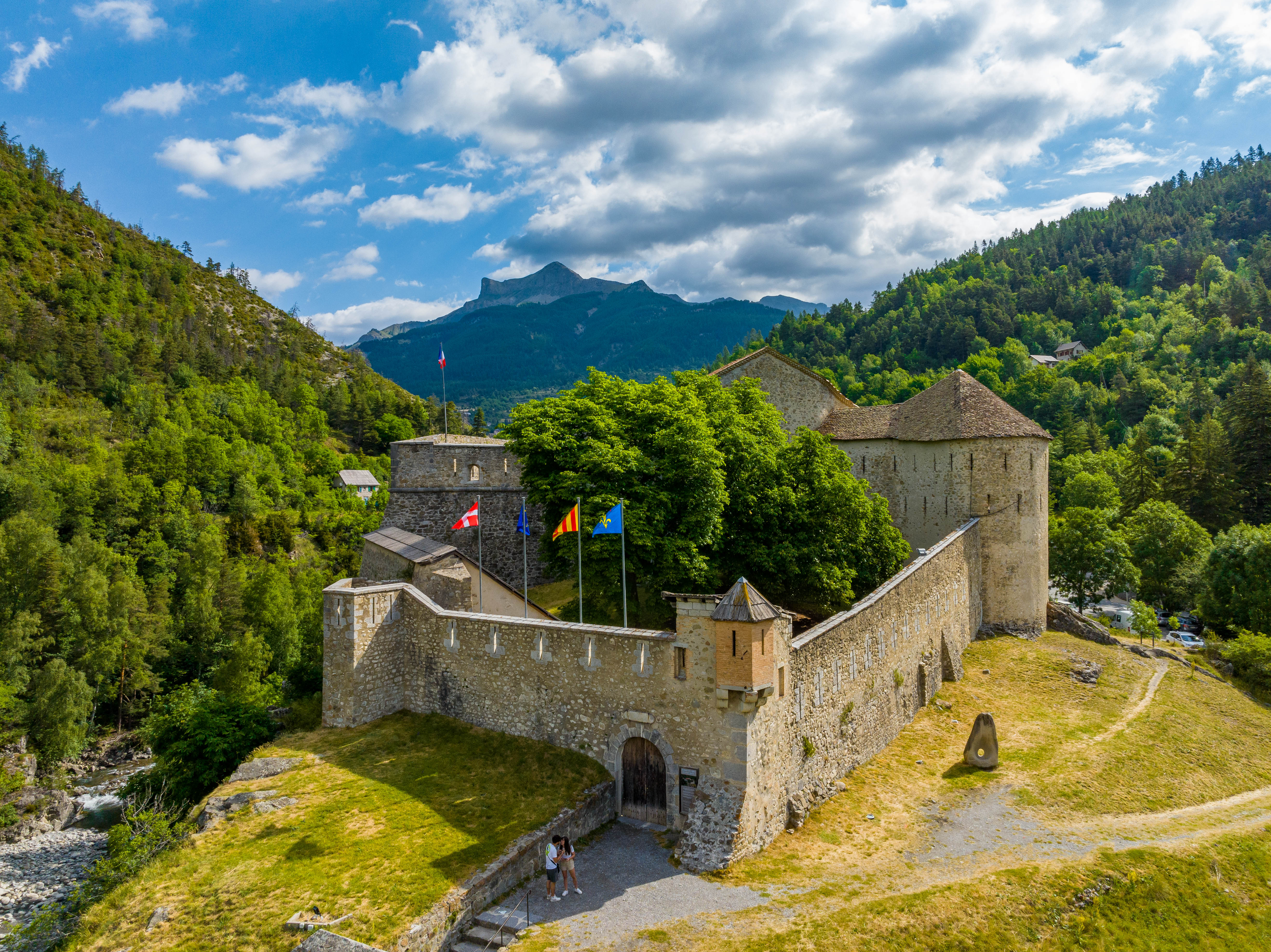
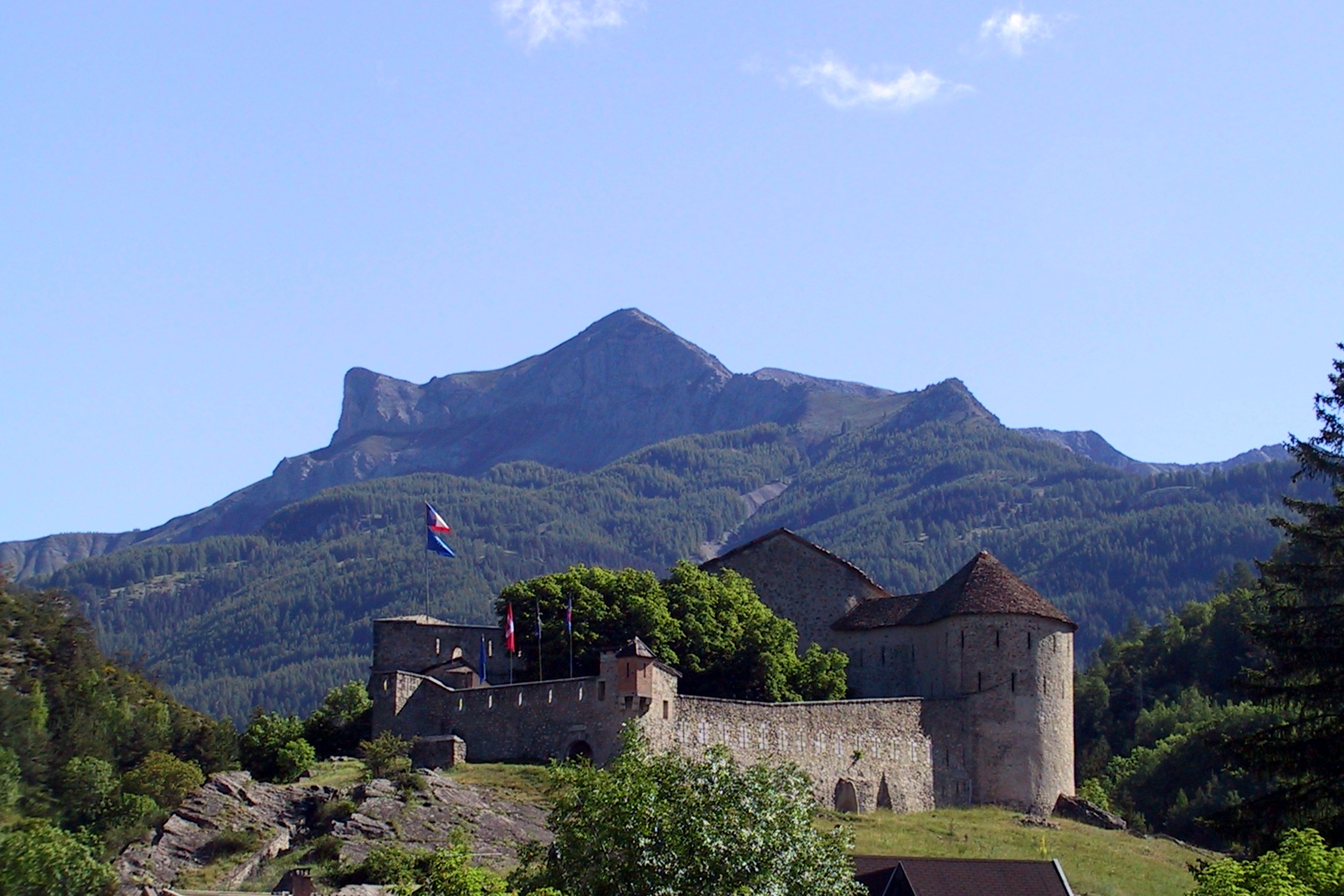
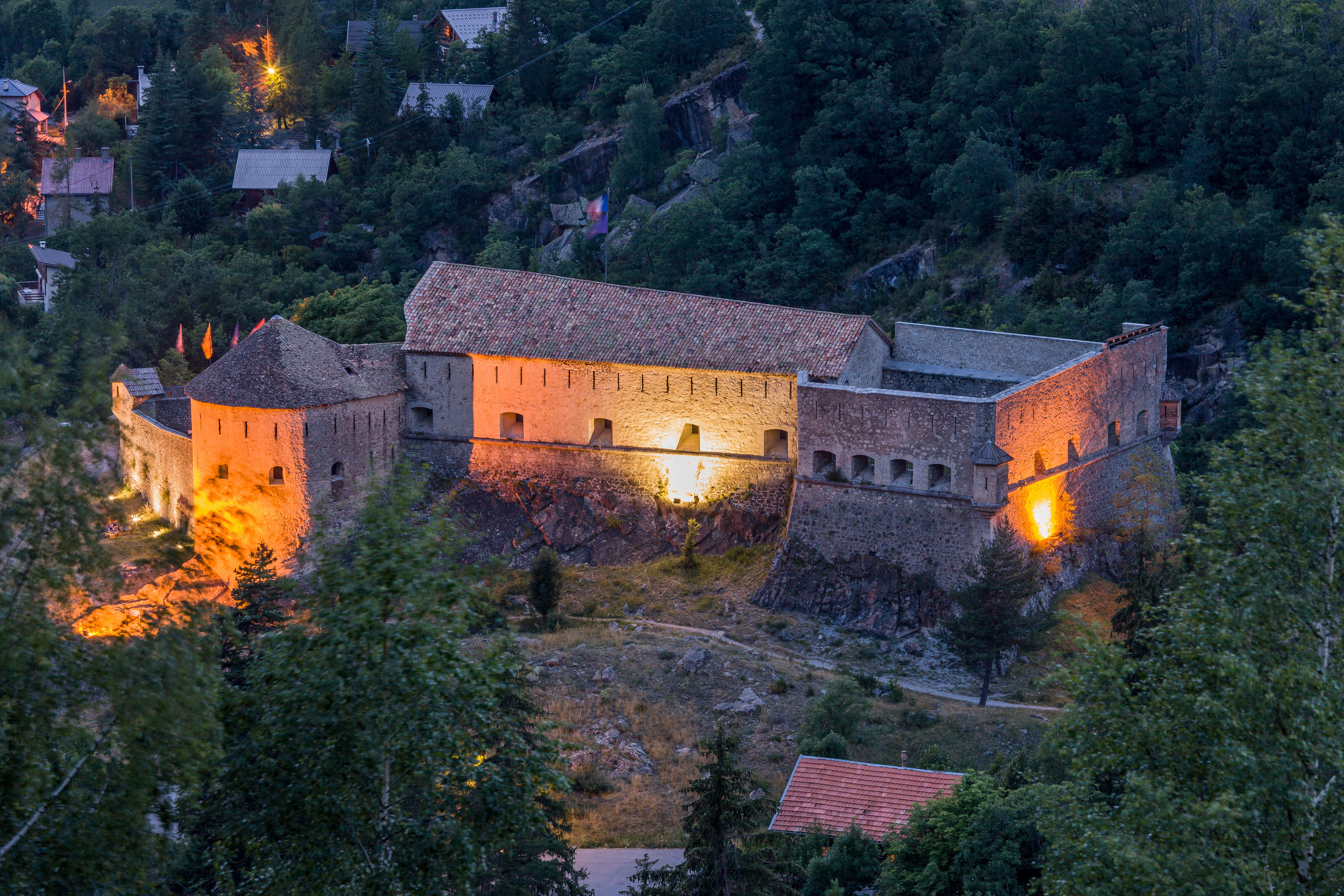
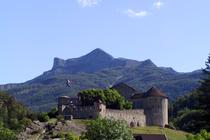
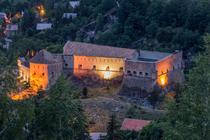
Built between 1693 and 1695, Fort de Savoie defended the border with the States of Savoy. Its military architecture, remarkable timber frame, and immersive experience that traces local history are not to be missed.
Even before you step through the fort’s gates, take a moment to admire the exceptional panoramic view that unfolds before you from the top of the steps. This spectacular vantage point alone is worth the detour.
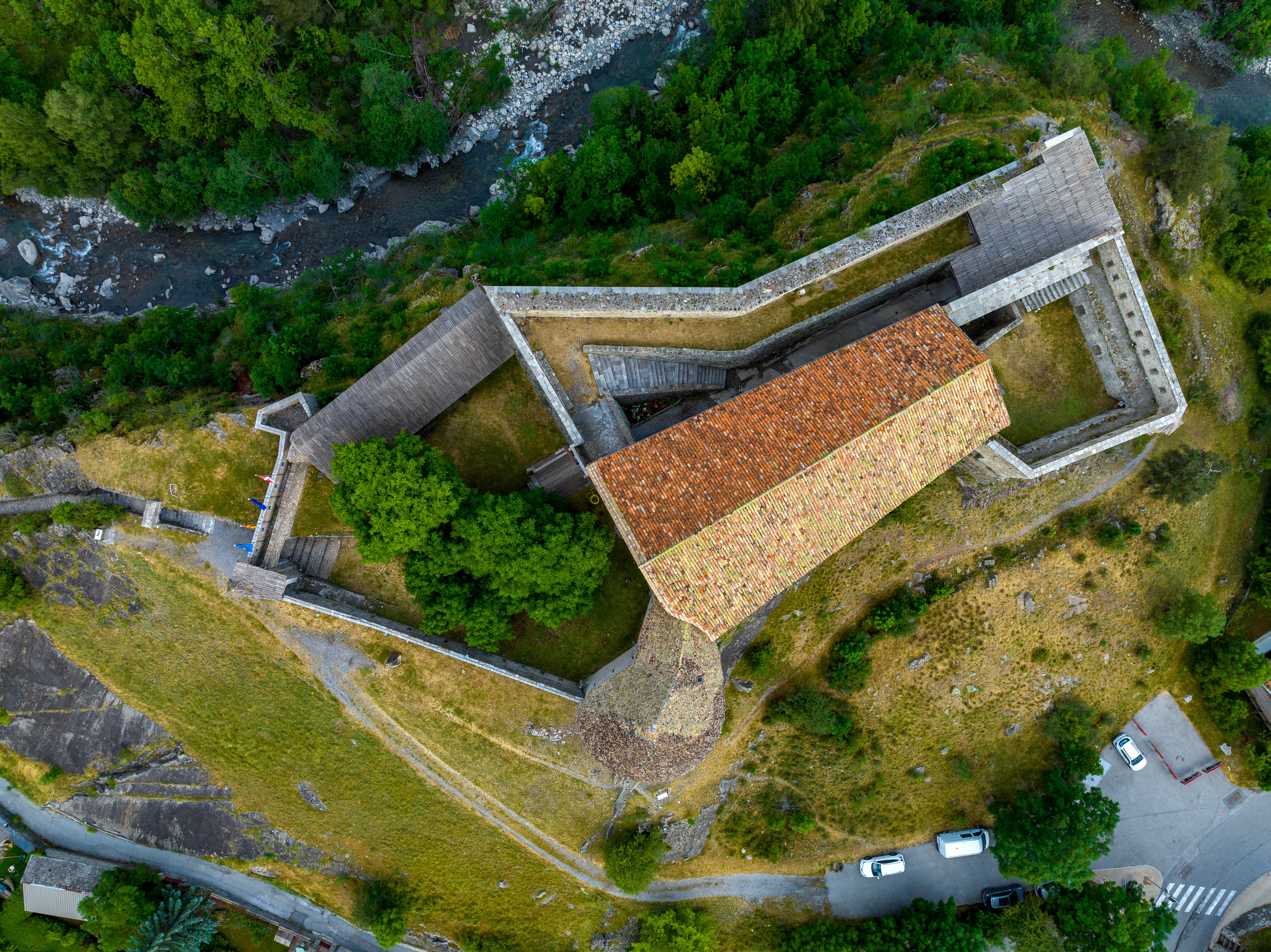
The Colmars forts were built between 1693 and 1695 according to the plans of Guy Creuzet de Richerand, the fortifications engineer for Provence and the Dauphiné. Fort de Savoie is a structure 50 meters long and 25 meters wide. Built on the hill known as “Saint-Martin”—the presumed site of the first village of Colmars—it faced the former border with the States of Savoy, to which the village of Allos belonged between 1388 and 1713.
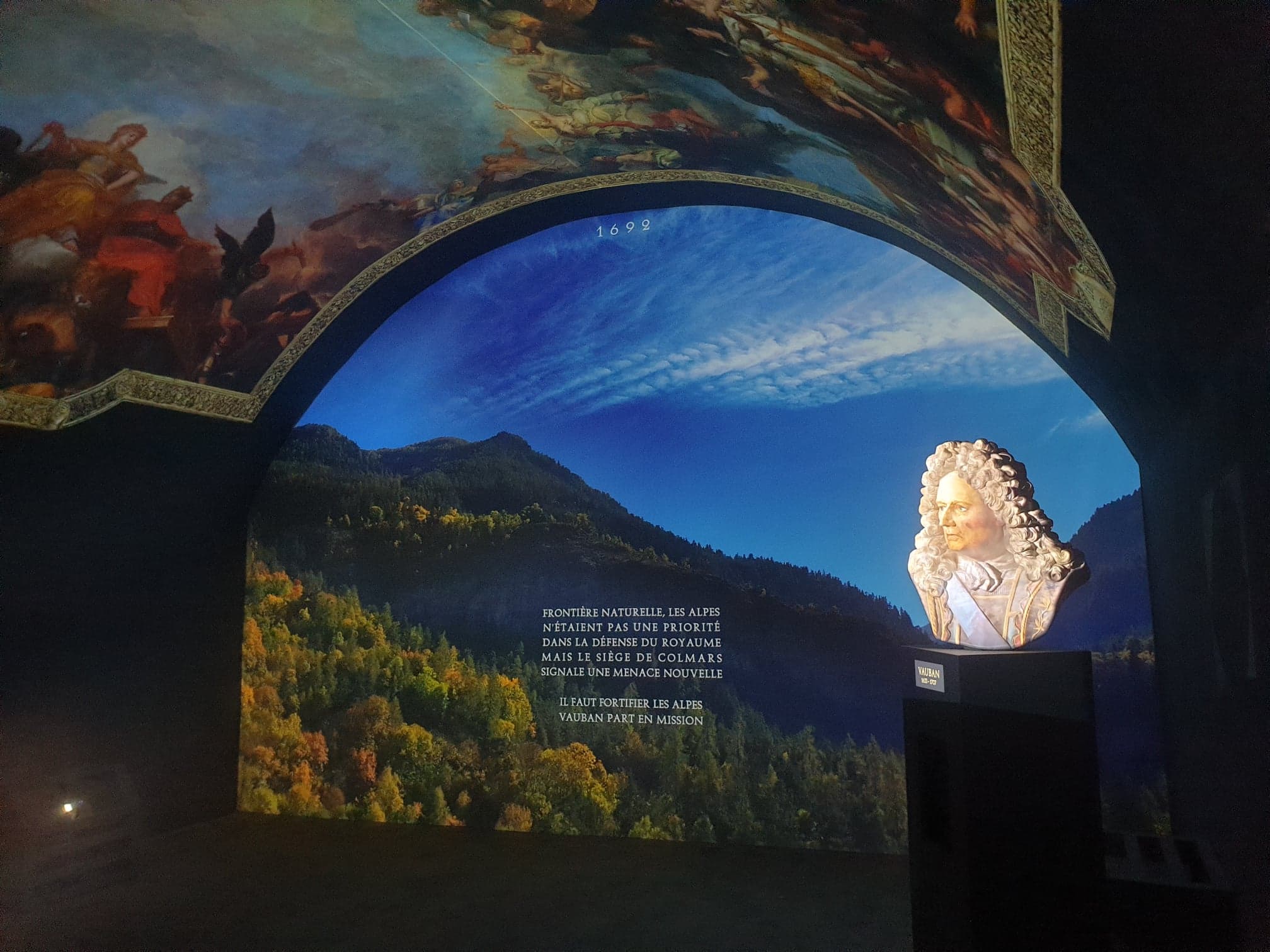
Construction began in April 1693, based on plans by Creuzet de Richerand, director of fortifications for the Dauphiné, and on the advice of Marshal de Catinat. In October 1700, Vauban inspected Colmars-les-Alpes and severely criticized the fort, which he deemed unsuitable: the walls were too low and too thin, and the round tower was too narrow to allow for cannon fire.
He then drew up a more ambitious plan, which was never carried out. The first enclosure of the structure, or “lower fort,” is surrounded by a parapet walk flanked by a guardhouse and a roofless pentagonal tower. The lower building, or “guardhouse,” served as a resting place for the soldiers.
At the far end of this courtyard is the entrance to the second enclosure, formerly protected by a moat and a drawbridge. To the right of this entrance, embedded in the wall, three columns remain—remnants of the former Saint-Martin collegiate church from the late Middle Ages. Within this second enclosure, the large, trapezoidal-shaped covered building consists of four adjoining rooms intended to house the soldiers. One hundred and fifty men were housed there, arranged according to their rank in the military hierarchy. On the upper floor, the round tower, or “watchtower,” was used for surveillance, while the armory served as a place for shooting practice.
To the north are the cistern, which supplied the fort with water, and the “cannonball-proof” powder magazine. On the upper level, a covered space—likely used as a kitchen—features the remains of an old fireplace. It provides access to the section overlooking the valley upstream and the former border, with its thick walls and watchtowers.
Inside this fort, you’ll be amazed by the remarkable timber frame of the round tower. Constructed from larch—a species that grows abundantly in the Haut-Verdon—it was likely assembled on the ground before being erected. It is a true masterpiece of carpentry.
Its joints were designed to adapt perfectly to the unique shape of this space, consisting of a semicircle connected to a trapezoidal section that links to the fort itself. The roof structure is covered with traditional round tiles.
Today, the fort hosts temporary exhibitions as well as numerous cultural and festive events: concerts, shows, theatrical performances, lectures, escape games…
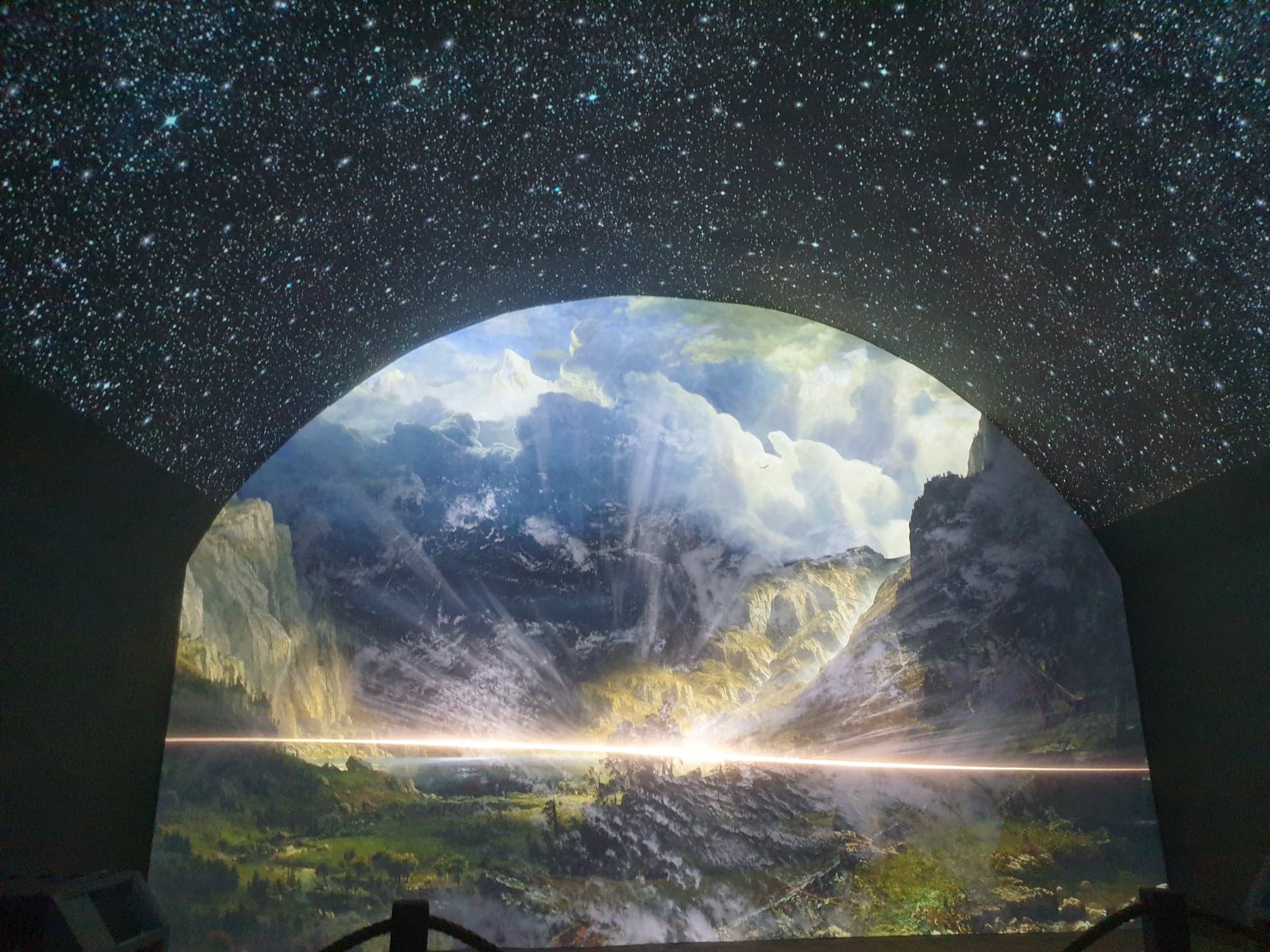
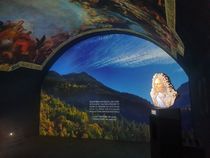
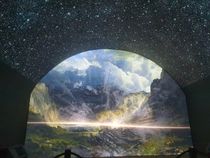
We highly recommend visiting and exploring its interpretive space, “History of a Fort,” which culminates in a unique immersive experience. A true journey into the past, this projection titled “The Story of Vauban” transports you through time and space to discover the major events that have shaped the history of Colmars. The guardroom is transformed into a vast screen where lighting effects, landscapes, scenes of daily life, and the construction of the forts come to life before visitors’ eyes.
This twenty-minute permanent projection provides all the insights needed to understand the history of the fortified city and enrich your exploration of this exceptional heritage.
Please note that on certain days the fort is reserved for events.
-
Prices
- Until 31 October
-
-
Full price 4 €
-
-
Payment method
- Check
- Cash
-
Spoken languages
- English
- French
-
Environment
- Close to GR footpath
- Town outskirts
- Lake -5km away
- Close to a public transportation
- River -5 km away
- Mountain view
-
Adapted Tourism
- TourismeAdapte
- Not accessible in a wheelchair
-
Services & Equipment & Activities
- Activity
- Children's entertainment
- Entertainment evenings
- Handicrafts workshops
- Concert
- Temporary exhibition
- Permanent exhibition
- Shows
- Theatre
- Tourist brochures
- Tourist information
- Exhibition space
- Shop
- Toilets
- Parking nearby
- Guided tours
Animaux : Refused