
- Search
Brief therapies or analysis. Personal development. NLP, non-violent communication. General public.
Between Verdon, Var and Esteron. Near the Alpes-Maritimes. Walks, hikes. In the village : Nordic walking, tennis. At 7 km climbing site, canyoning in the Clues of Saint-Auban.
Appartement situé dans une maison mitoyenne à celle des propriétaires, le gîte de Nathalie et Olivier est situé en pleine nature, à deux kilomètres du village de La Palud sur Verdon.
Pompes funèbres, funeral articles, funeral marble work
A parental room including 2 rooms “Aquarelle and Poème” with bathroom. A room “Melody” with private bathroom.
In a peaceful setting of 15 hectares, the Domaine des Sources offers an exceptional setting for unforgettable memories.
The U Express supermarket welcomes you all year round, offering regional products, mass-market goods, traditional butcher’s shop, vehicle rental: vans (11 m²)
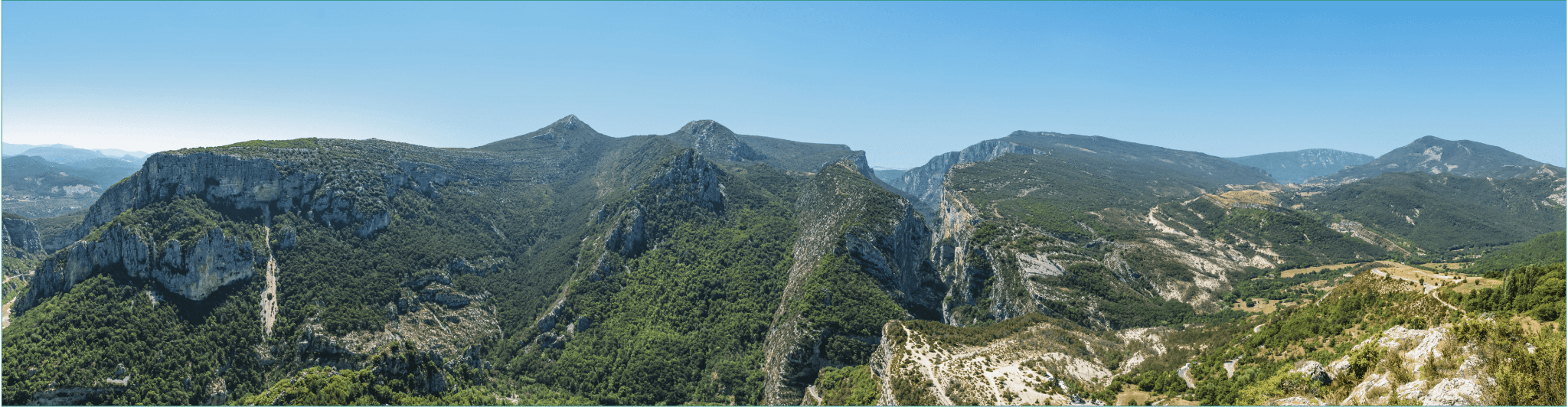
Snack bar, refreshment bar, home-made snacks : bruschettas, salads and home-made dishes, home-made and local beer on a terrace with a beautiful view on the Verdon gorges, in the open air and shaded. Non-stop service.
Apartment in a house in the heart of the village. With a mezzanine at child’s height, separate kitchen and south-facing balcony, ideal for breakfast and aperitifs! Quiet and full of flowers.
Located in a magnificent wooded park, the Christian vacation center Le Rocher is open to all and offers to welcome groups: summer camps, youth, senior stays, weekends and church retreats, camps and seminars.