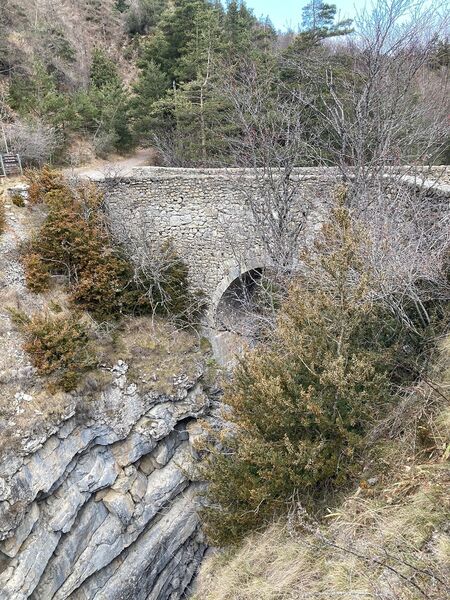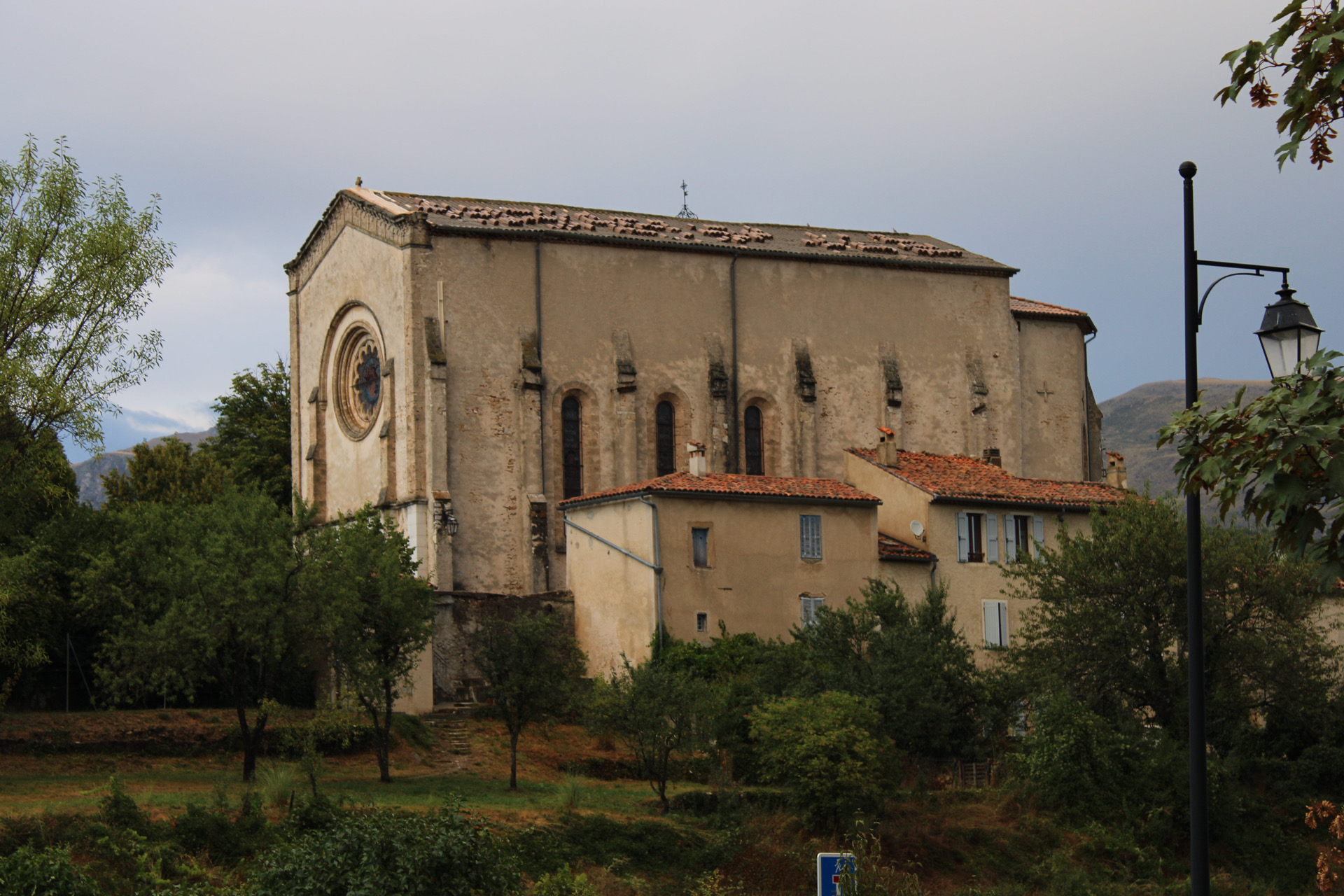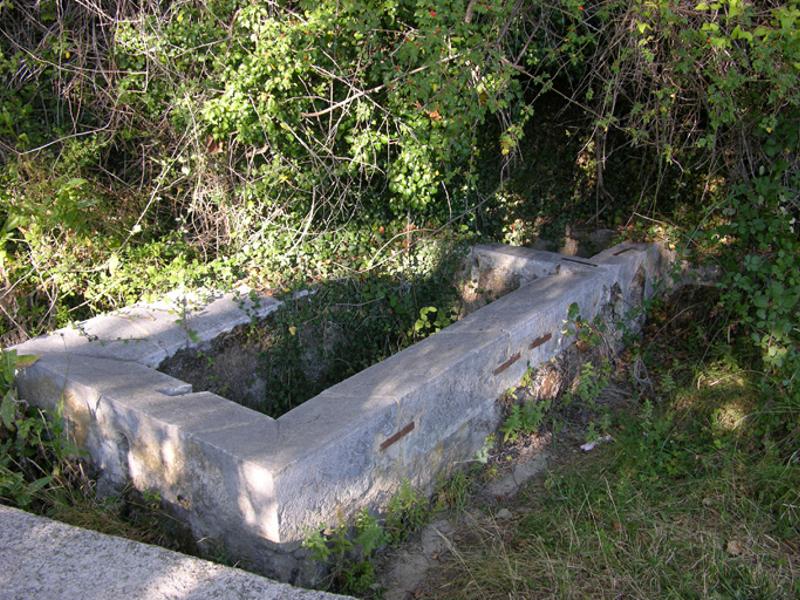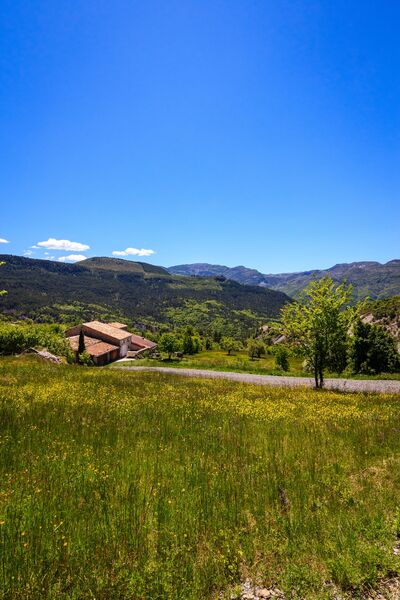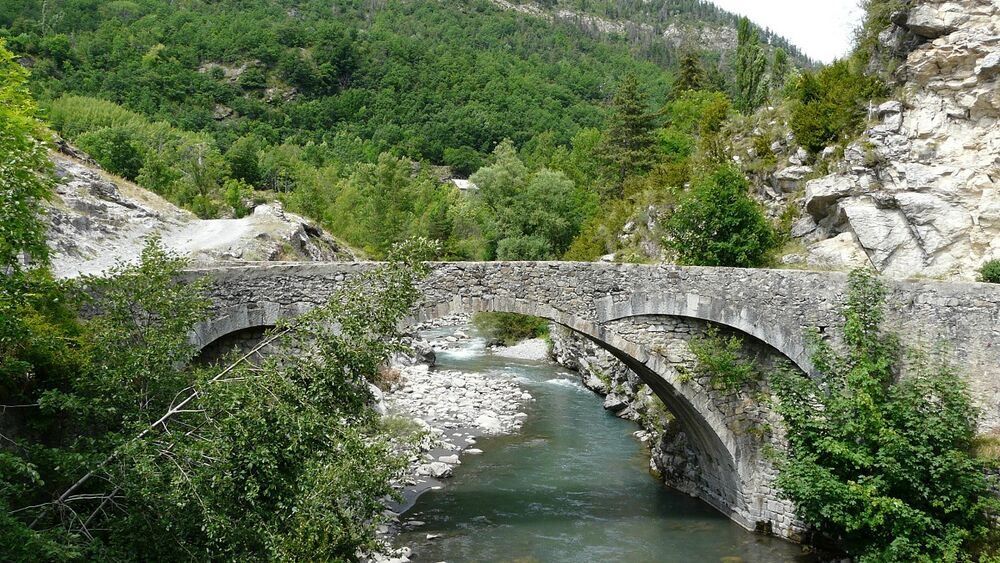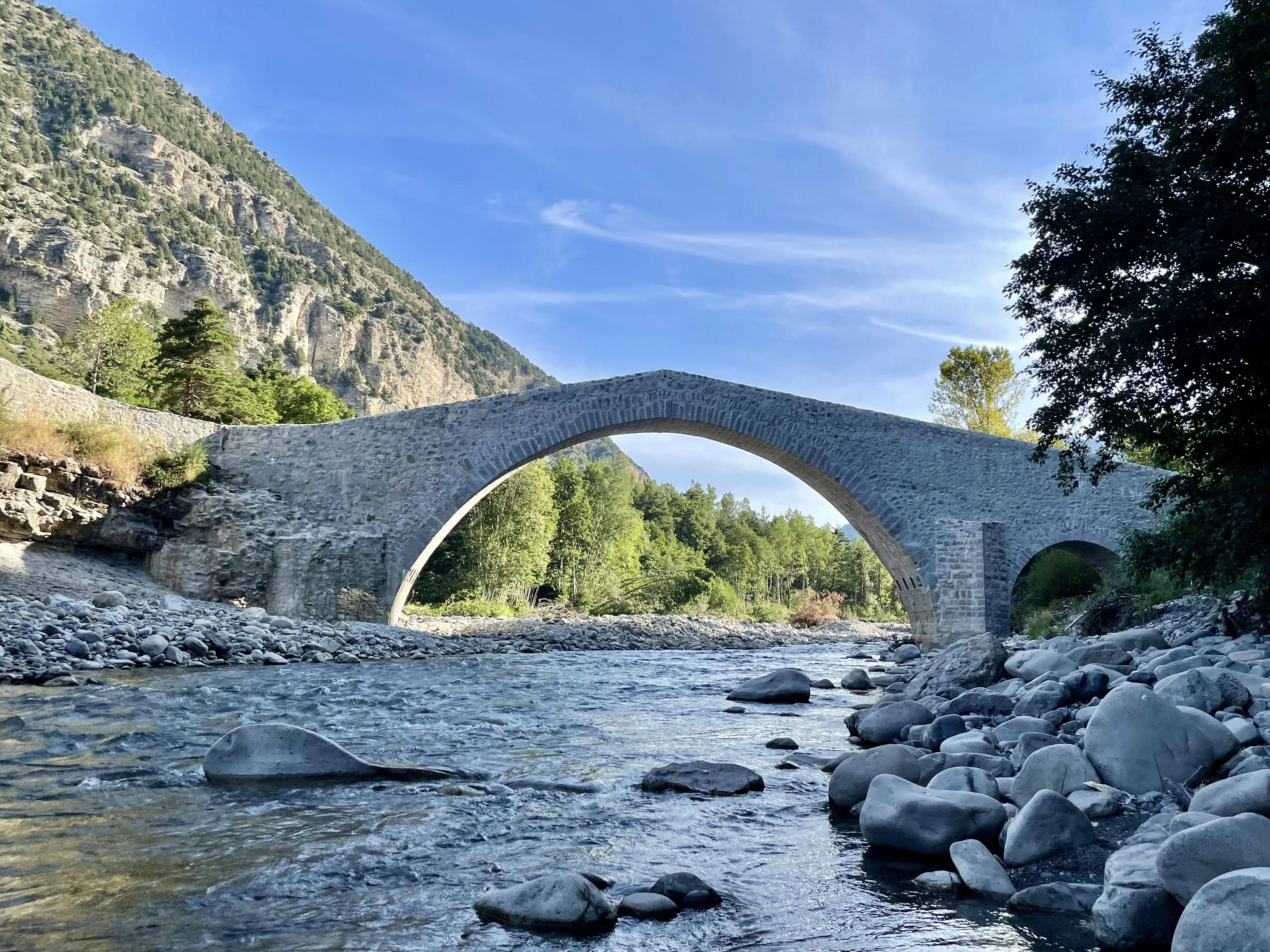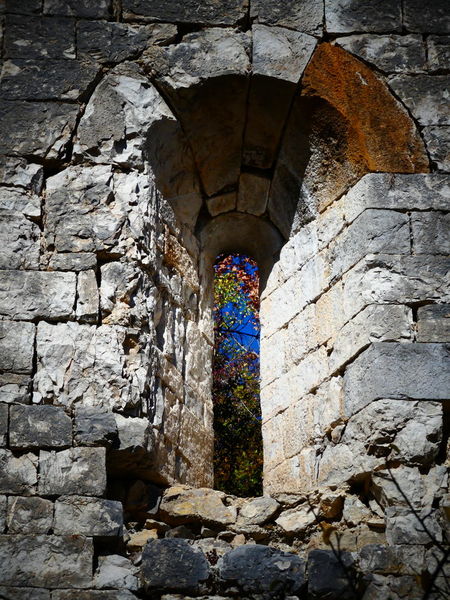
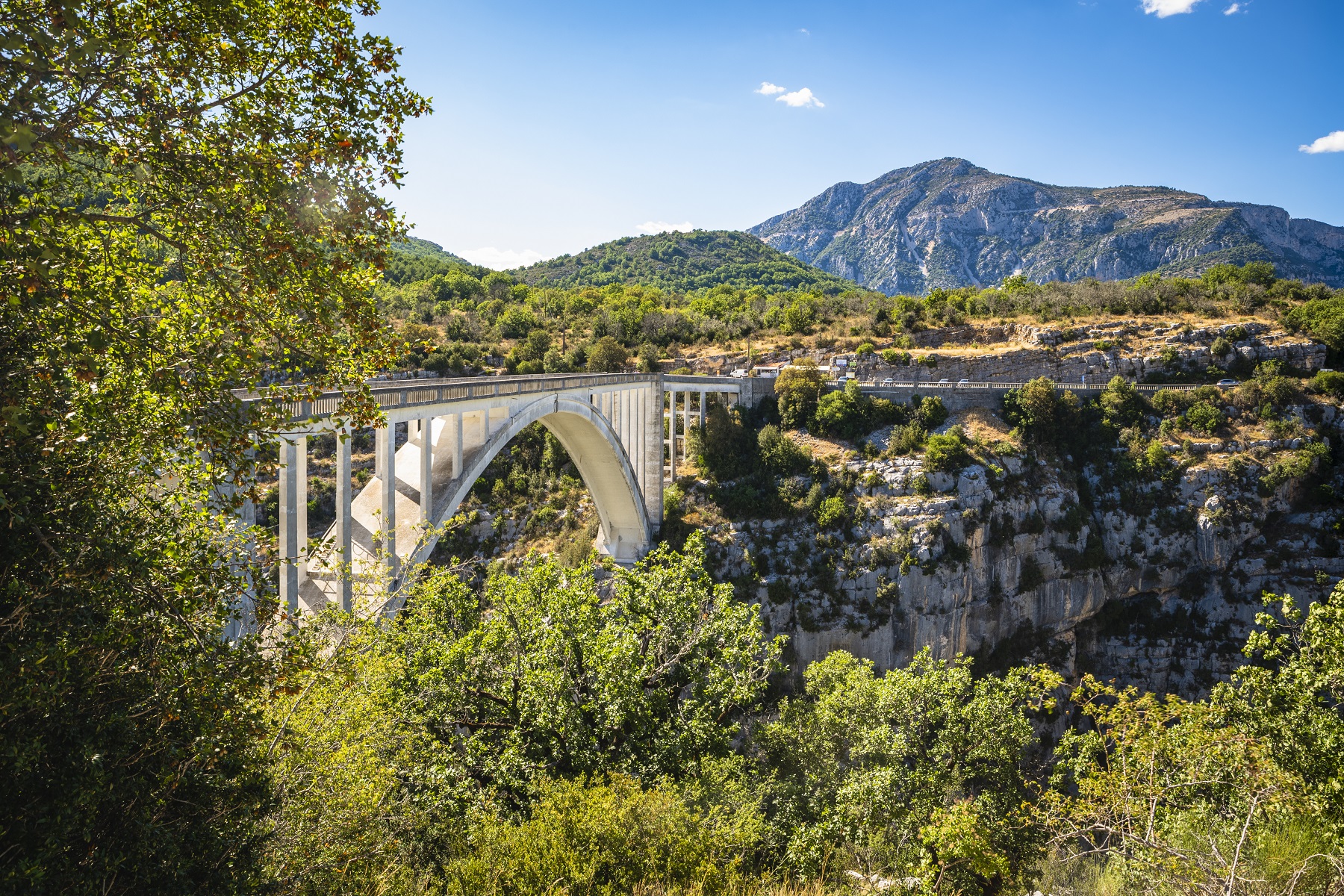
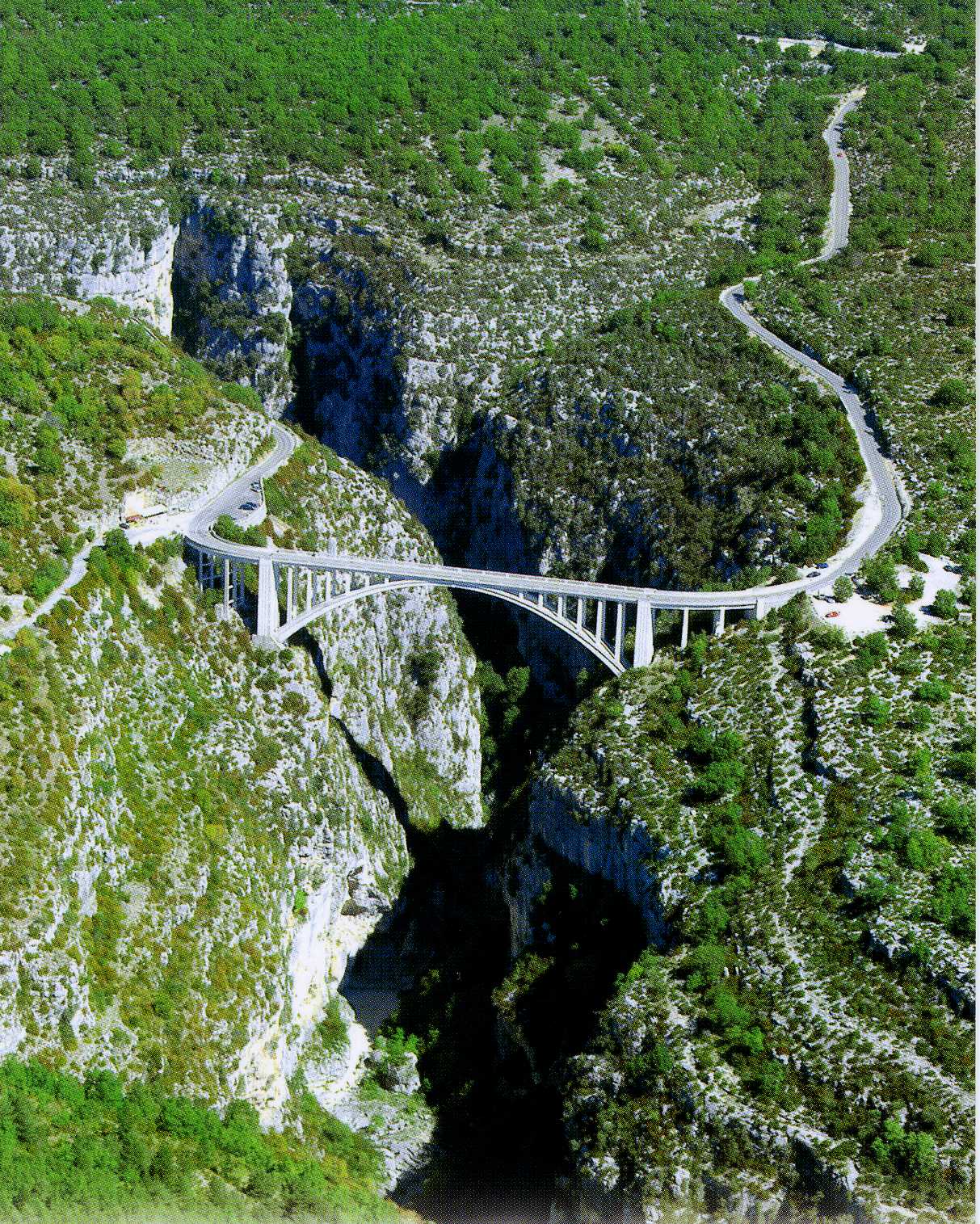
Bridge of the Artuby
Details for this property are no longer available.

-
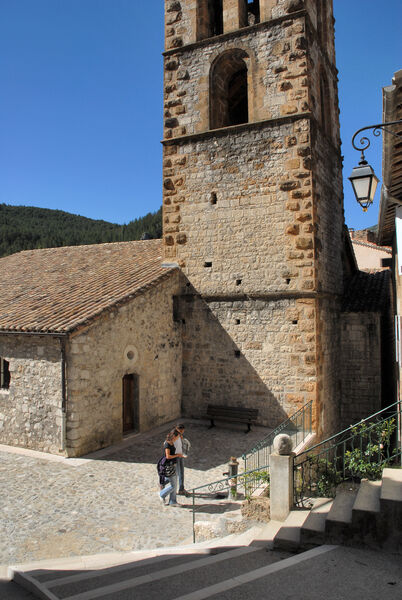
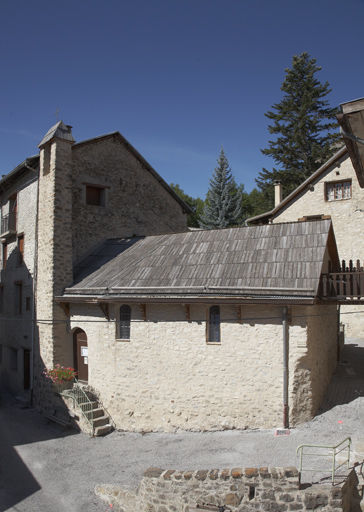
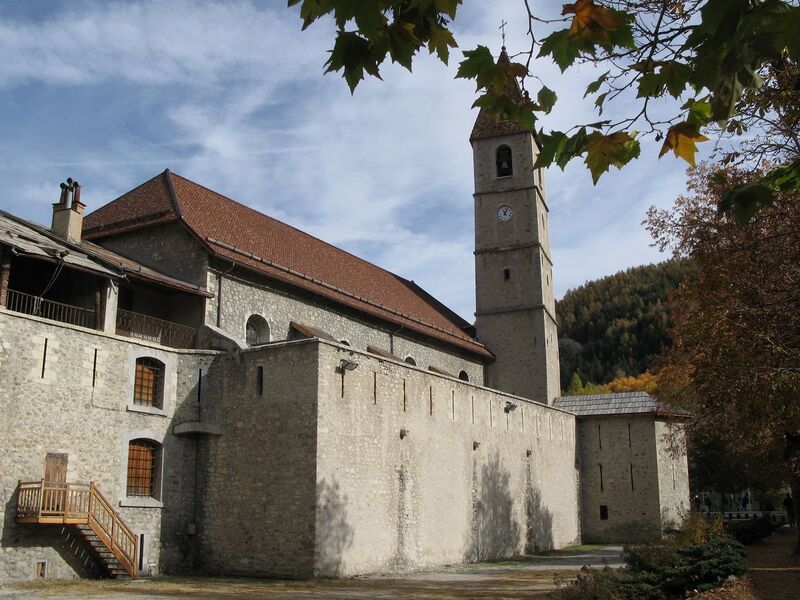
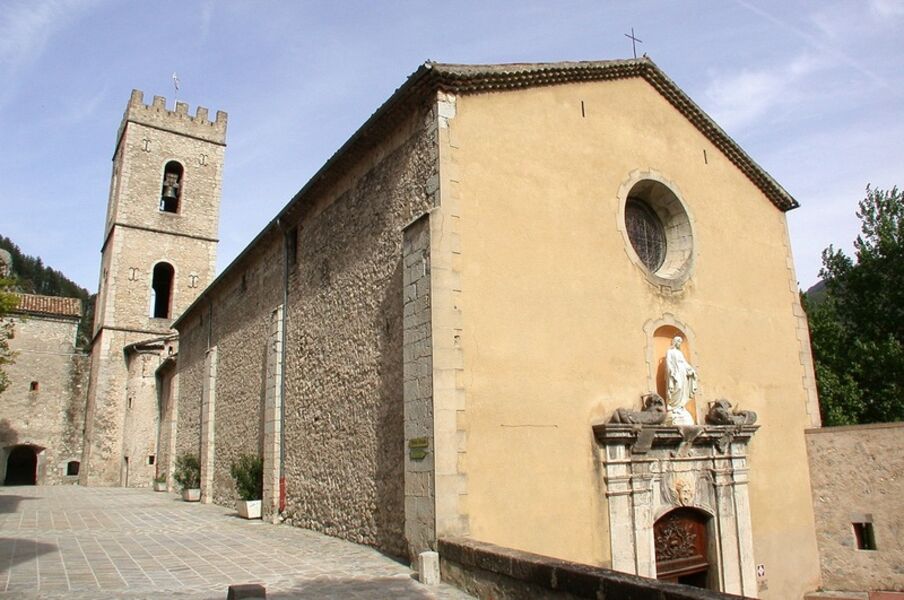
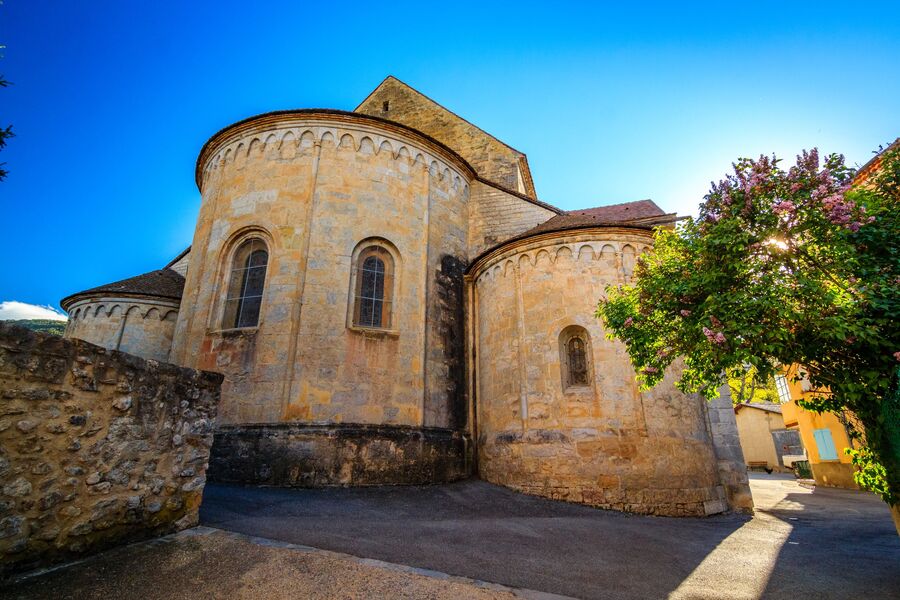
Located in rue Saint Victor, in the heart of Castellane's old town center, the church of Saint Victor is an exceptional building dating back to the 13th century. Several restoration campaigns since the 1990s have restored it to its former glory.
 CULTURAL HERITAGESt Victor's ChurchCastellane-en
 -
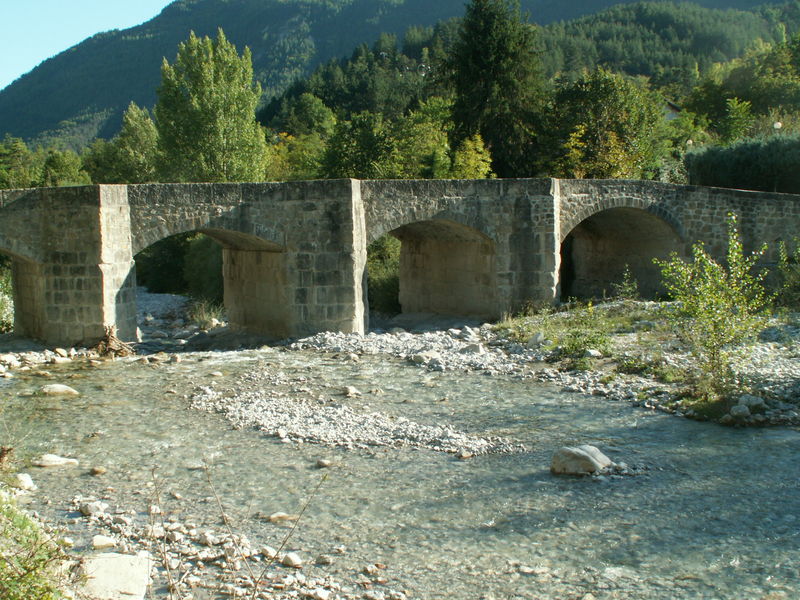
Built in 1681, replacing the former wooden bridge, the Vaïre bridge has pedestrianised bays which were added in 1711. The bridge was shortened due to the town square being extended and there are now only four arches, yet there were seven before.CULTURAL HERITAGEThe Vaïre bridgeAnnot-en
-
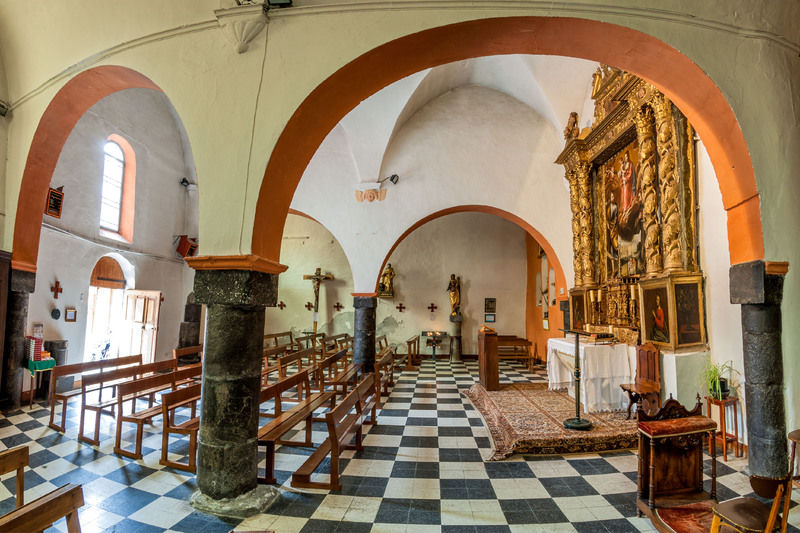
Formerly the chapel of the "pénitents gris" (gray penitents), Saint Joseph's chapel, patron saint of travelers but above all of carpenters and lumberjacks, is a "Provencal Gothic" construction, a blend of Romanesque and Gothic art.CULTURAL HERITAGEChapelle Saint JosephColmars-en
-
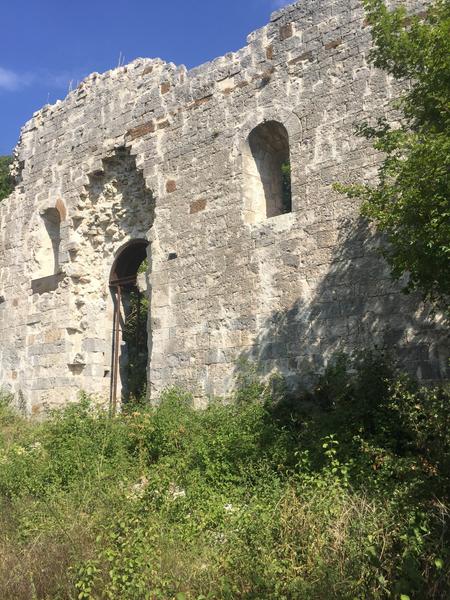
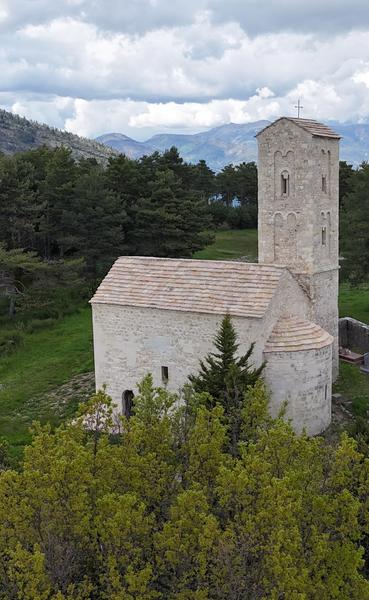
Built in the 12th century, the only remaining vestiges of the former cathedral of Glandèves are an apse preceded by a choir bay and the first bay of the nave.CULTURAL HERITAGECathédrale de Glandèves ou Notre-Dame-de-la-SedsEntrevaux-en
-
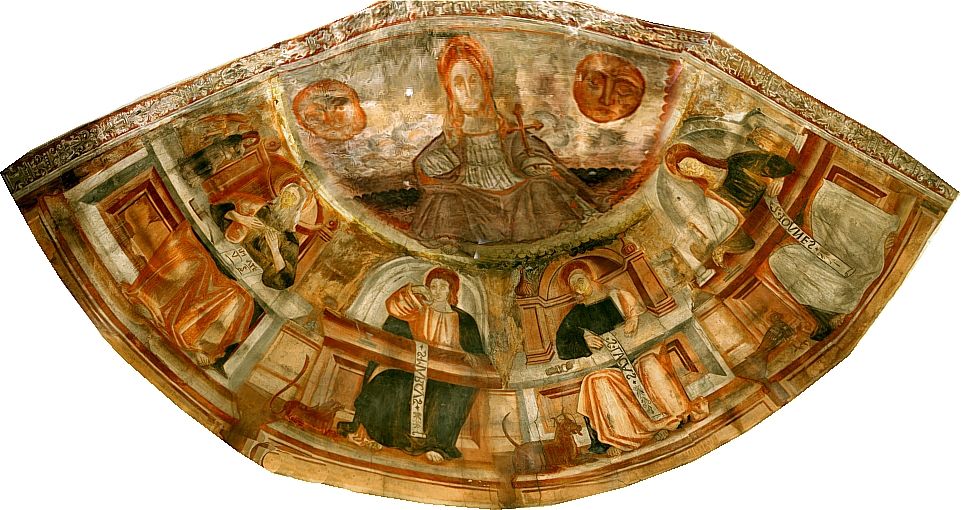
These frescoes date from the 12th century. They depict Jesus Christ, supreme judge, seated between the sun and the moon. He is the savior of the world, and carries on his hand the Earth and the Cross with which he saved the world.CULTURAL HERITAGELes fresques de la Chapelle Saint ThomasThorame-Basse-en
-
This kiln, named after its last owner, Joseph Peisselon, was used to fire pottery and ceramics, a traditional local craft in La Palud.CULTURAL HERITAGELe four PeisselonLa Palud-sur-Verdon-en
-
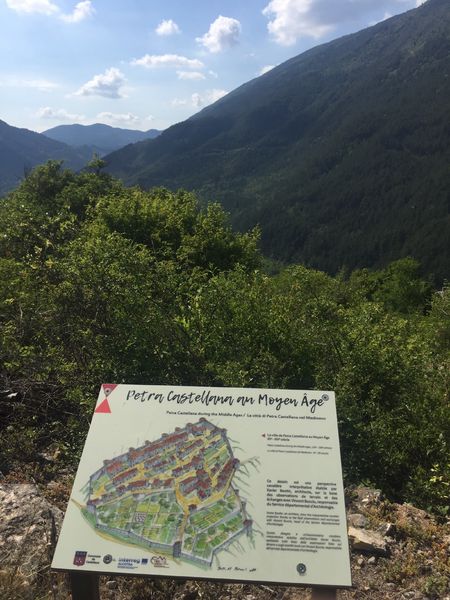
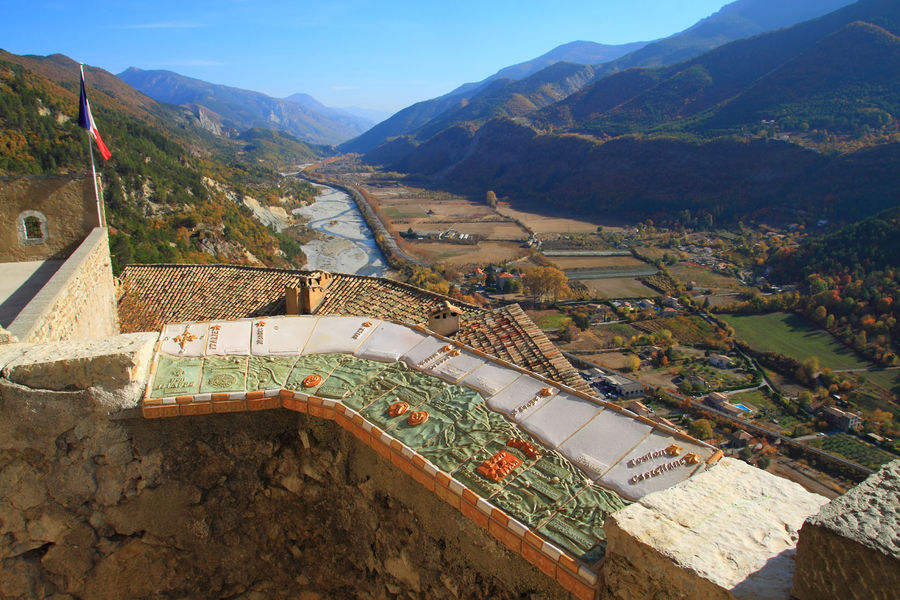
Xavier Boutin, an architect, drew this interpretative cavalier projection thanks to the field observations and exchanges with Vincent Buccio, head of the Service départemental d'Archéologie.CULTURAL HERITAGEPetra Castellana during the Middle AgesCastellane-en
-
The existence of a bridge enabling cattle to cross the Coulomp at this location is attested as early as the 13th century, but the current bridge was built in the 18th century.CULTURAL HERITAGEPont de la reine JeanneSaint-Benoît-en
-
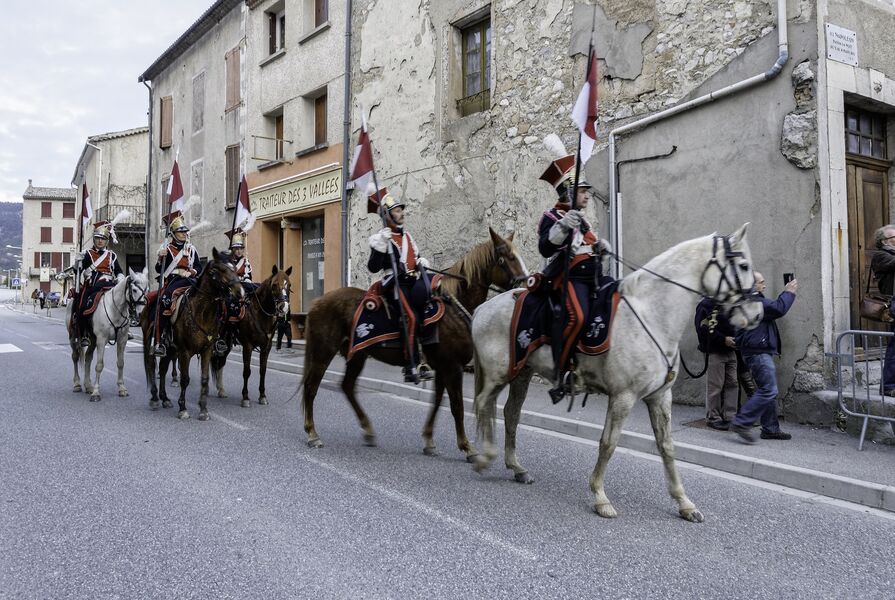
Barrême, le repos de l'Aigle. Night of Friday March 3 to Saturday March 4, 1815. Napoleon's first night in the Basses-Alpes, at the home of Justice of the Peace Tartanson.CULTURAL HERITAGEPlaque Napoléon BarrêmeBarrême-en
-
Probably founded at the same time as the castral village of Clumanc in the 11th century, Notre Dame Church is not mentioned until the 14th century, when the nave and apse that can be seen today were probably built.CULTURAL HERITAGEEglise paroissiale Notre DameClumanc-en
-
The high bridge at Colmars spans the Verdon, which it overlooks by more than 20m.CULTURAL HERITAGEPont hautColmars-en
-
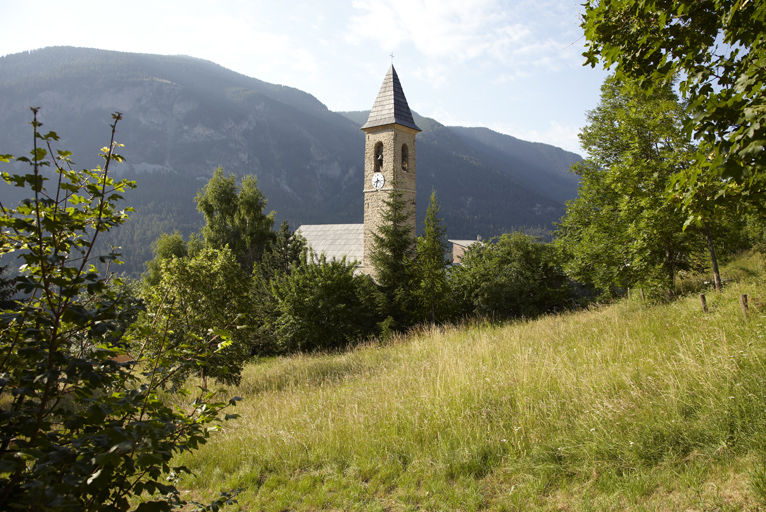
Although dating from the 11th century, the church was largely rebuilt during the 19th century. Its bell tower, erected in the 11th century and remodeled in the 12th century, is the only element that predates this reconstruction.CULTURAL HERITAGEÉglise paroissiale Notre-Dame-de-VauvertLa Palud-sur-Verdon-en
-
The La Baume washhouse is relatively recent. In 1911, it replaced the one below the waterfall. It is said that the money for its construction was donated by Boniface, known as Boni de Castellane.CULTURAL HERITAGELe lavoir de la BaumeCastellane-en
-
Saturday, March 4, 1815: From Barrême, Napoleon's troop heads for Digne along a rough road over the Col de Chaudon. Napoleon stops off at the hamlet of La Clappe, where he has an omelet for lunch.CULTURAL HERITAGEChaudon : repas NapoléonChaudon-Norante-en
-
Dominated to the north by the imposing Chamatte peak, Vergons takes its name from the Verguniens, a Ligurian tribe that occupied the area in ancient times. Today, it is a pleasant stopover.CULTURAL HERITAGEVergonsVergons-en
-
Le Chalet de la Maline, qui se trouve au départ du sentier Blanc-Martel et le long de la Route des Crêtes, a été rénové en 1936, après 2 ans de travaux, pour accueillir les randonneurs. C'était autrefois une ancienne ferme.CULTURAL HERITAGEChalet de la MalineLa Palud-sur-Verdon-en
-
The Notre-Dame-de-Valvert chapel, built of Annot sandstone, was once the church of a Lérins priory. It's the austerity of this undecorated building in its rural setting that makes it so attractive.CULTURAL HERITAGEChapelle Notre-Dame-de-ValvertVergons-en
-
A former bishopric on the banks of the river Asse, Senez is a village steeped in history, with a rich and well-preserved cultural heritage. As a stopover on the imperial road, Napoleon stopped off to visit the cathedral, now a listed monument.CULTURAL HERITAGESenezSenez-en
-
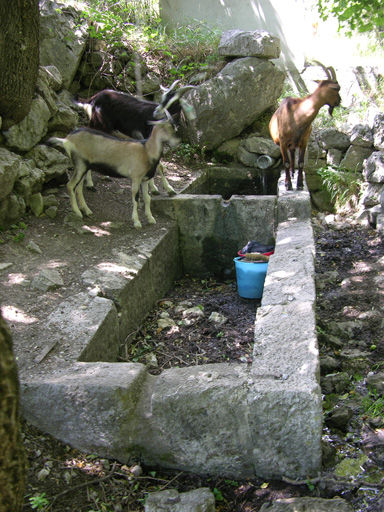
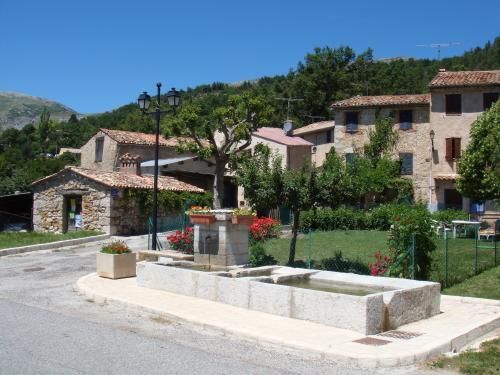
Often, "La fontaine" refers to the drinking trough, the washhouse and the fountain itself. It's the place where the village gets its water.CULTURAL HERITAGELa fontaine de TaloireCastellane-en
-
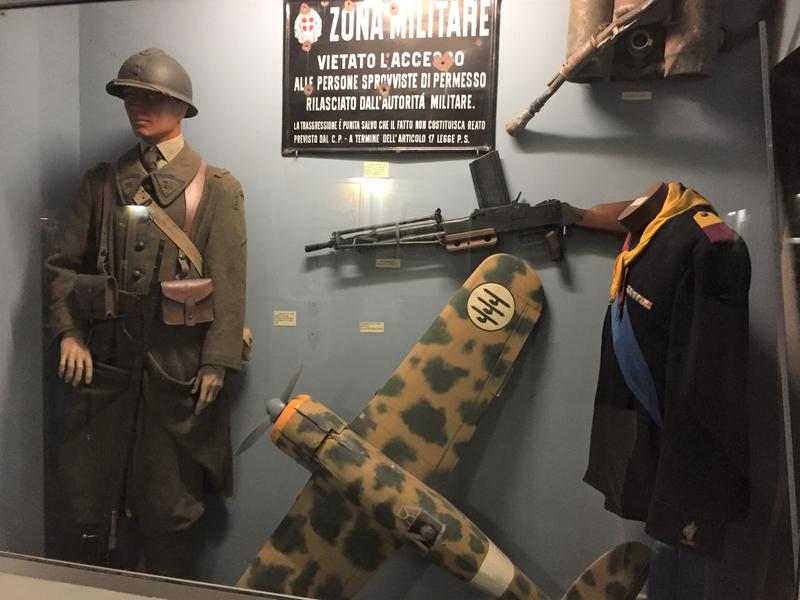
Located in Haute Provence, the heart of the French Resistance, this museum is dedicated to all those who refused defeat and took up the fight as soon as General De Gaulle called. Library and archives available by appointment only.CULTURAL HERITAGEMusée de la RésistanceCastellane-en
-
Housed in what was once the winery of the Maison Rabiers du Villars, the Regain museum unveils a new exhibition each year, focusing on the traditions of the Pays d'Annot.CULTURAL HERITAGEMusée RegainAnnot-en
-
The Nativity chapel is mentioned from 1712; in 1718, its condition is considered decent; in 1768, it is mentioned as Notre-Dame-des-Lumières, and from the 19th century as Saint-Blaise.CULTURAL HERITAGEChapelle Saint BlaiseVillars-Colmars-en
-
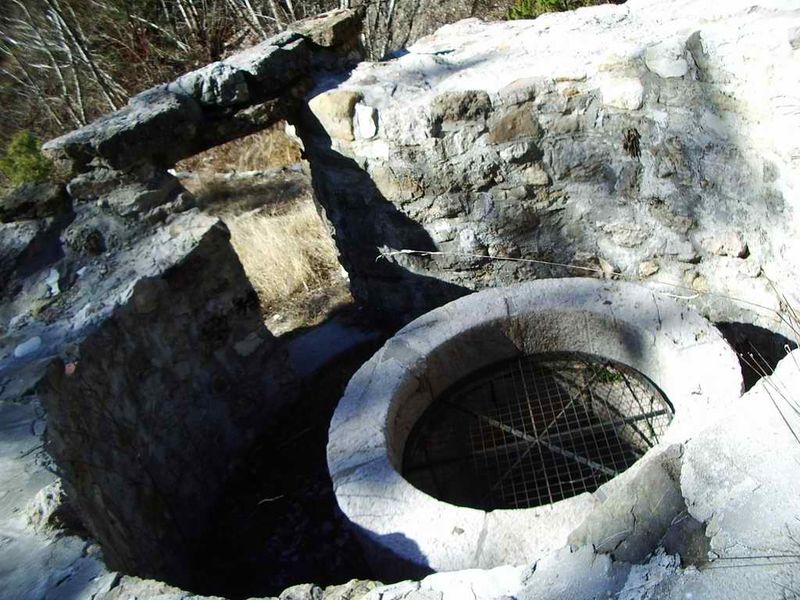
Although the well visible today dates back to the 17th century, exploitation of the salt spring dates back to Neolithic times and continued until the 19th century.CULTURAL HERITAGEPuit saléMoriez-en
-
"La Mémoire des rues d'un fort à l'autre" Discover Colmars all year round! The "little stories" that made the big story! Anecdotes from the streets and squares of the fortified military town.CULTURAL HERITAGEVisite en liberté de la vieille villeColmars-en
-
Sainte-Sévère church is located at the top of the village, on gently sloping ground bordered to the north by the cemetery. It has an elongated plan with two naves and a flat west-facing apse.CULTURAL HERITAGEÉglise paroissiale Sainte SévèreVillars-Colmars-en
-
Nestled in a quiet valley where the Encure river flows, between green meadows and wooded hills, the village's main source of income is agriculture and beekeeping. Once famous for its lavender, a handful of farmers still carry on the tradition.CULTURAL HERITAGELambruisseLambruisse-en
-
Les Jardins de la Tour are located at the foot of the Pentagonal Tower, in the Baous district. They offer a splendid view of Castellane and the Verdon valley, and invite you to take a break...CULTURAL HERITAGEJardins de la TourCastellane-en
-
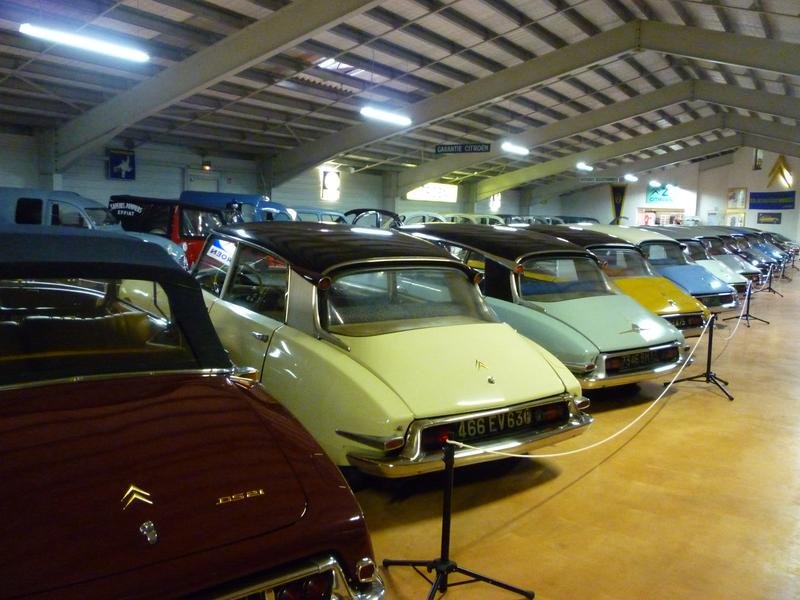
Whether you're a car enthusiast or just curious... Come and discover Citroën's post-war production, represented by over 120 vehicles in exceptional original condition and with very low mileage. Don't miss the store, with its multitude of items.CULTURAL HERITAGECitromuseumCastellane-en
-
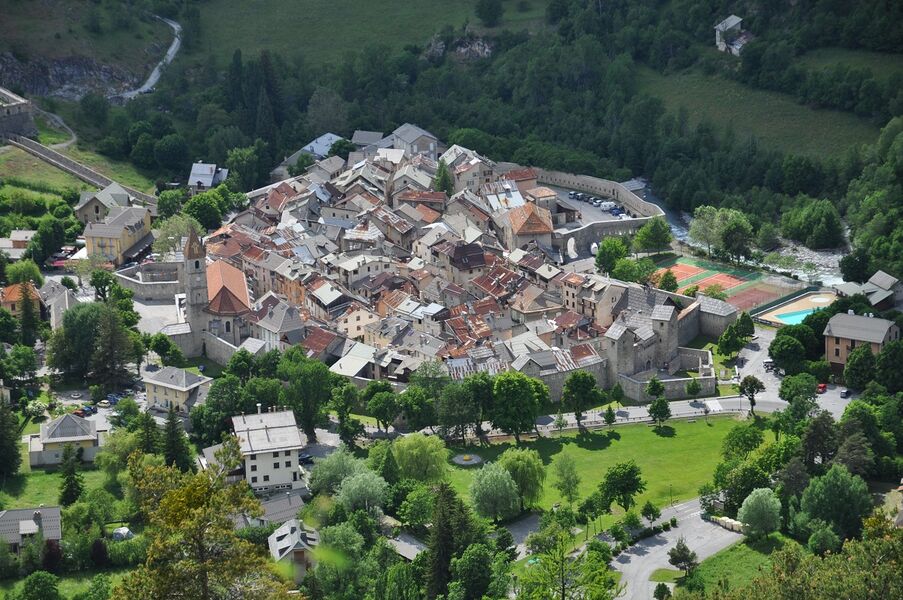
Established along the road linking Digne to Saint André, Moriez was a thriving business in the 19th and 20th centuries, with the manufacture of linen and the distillation of lavender. Its name comes from the Latin Muria, meaning salt, in connection with its salt well,CULTURAL HERITAGEMoriezMoriez-en
-
Perched on a mound in the heart of the Haut Verdon valley, Beauvezer, whose name means "beautiful to look at", was an important wool-spinning center. A few buildings still stand, bearing witness to this flourishing period in the valley's economy.CULTURAL HERITAGEBeauvezerBeauvezer-en
-
Already in existence when the city's fortification plans were drawn up in the late 17th century, it wasn't until two centuries later that the Pont Saint Roch acquired its current appearance, with the addition of two wings on the downstream side.CULTURAL HERITAGEPont Saint RochColmars-en
-
The history of Colmars tells of the church of "St Jean hors les murs", destroyed by fire in 1672, and rebuilt on the same site between 1681 and 1696 as part of the fortified enclosure, but under the name of St Martin's Church.CULTURAL HERITAGEEglise Saint MartinColmars-en
-
The commune of Chaudon-Norante, on the banks of the Asse and topped by the imposing Dourbes bar, is made up of three main hamlets: Norante, Chaudon and La Clappe, where Napoleon stopped on his return from Elba.CULTURAL HERITAGEChaudon-NoranteChaudon-Norante-en
-
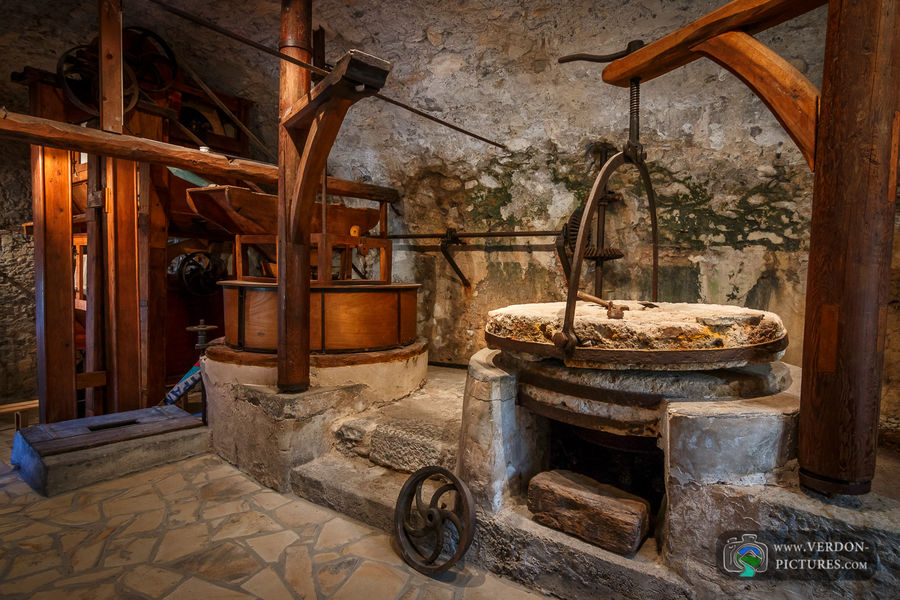
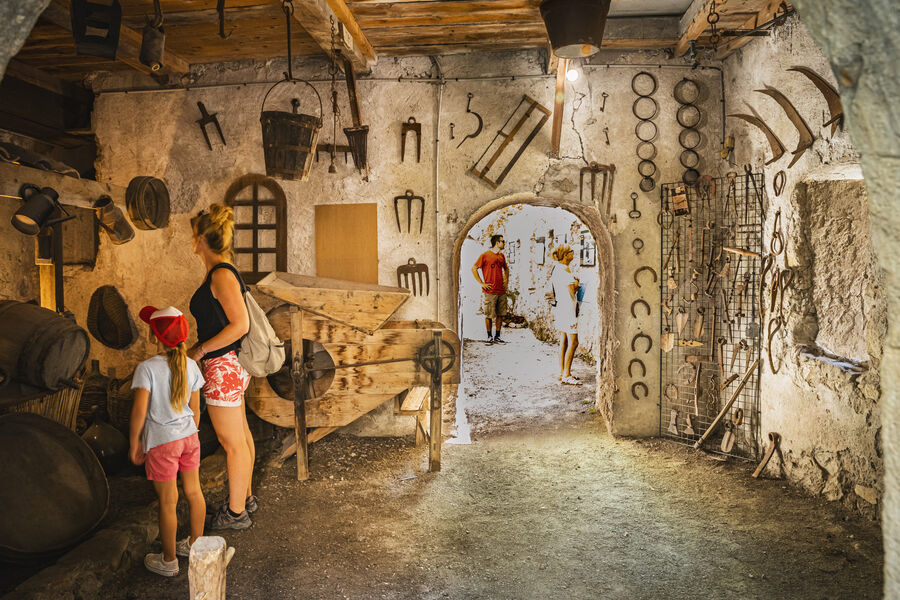
The flour mill, with its stone millstones and machinery, is a testimony to Entrevaux's agricultural heritage.CULTURAL HERITAGEMoulin à farineEntrevaux-en
-
Sheltered behind the walls of the city's fortifications and along the Var river, several exhibits bear witness to the traditions, customs and history of the Entrevalais people.CULTURAL HERITAGEChemin de RondeEntrevaux-en
-
A small village in the Middle Ages, Blieux was built on a rocky spur on the right bank of the Asse. The village is surrounded by a cirque of mountains, including Mont - Chiran, home to an astronomical observatory.CULTURAL HERITAGEBlieuxBlieux-en
-
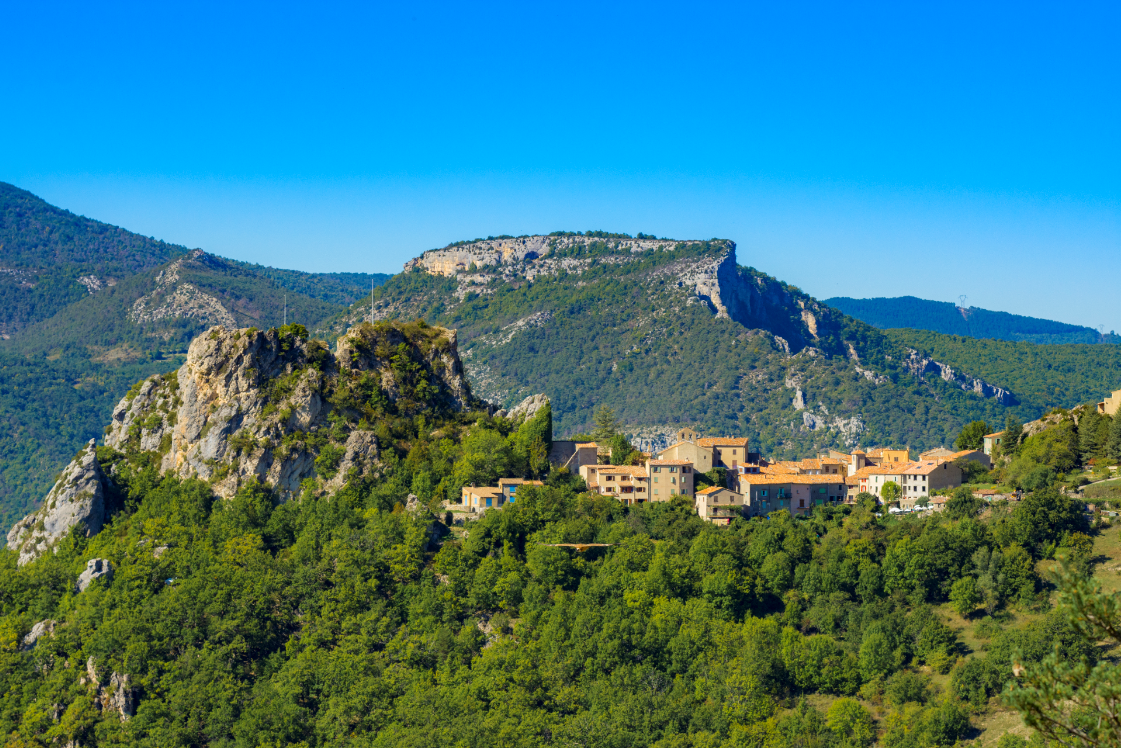
A veritable hilltop village, Rougon overlooks the Samson couloir and Point Sublime from its rocky outcrop, offering one of the finest views of the Verdon Canyon.CULTURAL HERITAGERougonRougon-en
-
The farm is located between La Palud-sur-Verdon and Rougon in the Baou river valley. Around a hundred animals, including poultry, goats, wallabies, fallow deer, wild boar, camels, ponies and llamas, have been used for zoo education for young people for 50 years.CULTURAL HERITAGEBergerie de FauconRougon-en
-
The commune of Clumanc is unusual in that it has no central town: in fact, it's a collection of small hamlets scattered along the Asse river. Farming and livestock rearing are still practiced today.CULTURAL HERITAGEClumancClumanc-en
-
The seven hamlets that make up the commune of Tartonne occupy the bottom of the Haute Vallée de l'Asse. A starting point for many hiking and mountain biking trails, Tartonne is also home to many geological curiosities (Faille du Défens, fossils...).CULTURAL HERITAGETartonneTartonne-en
-
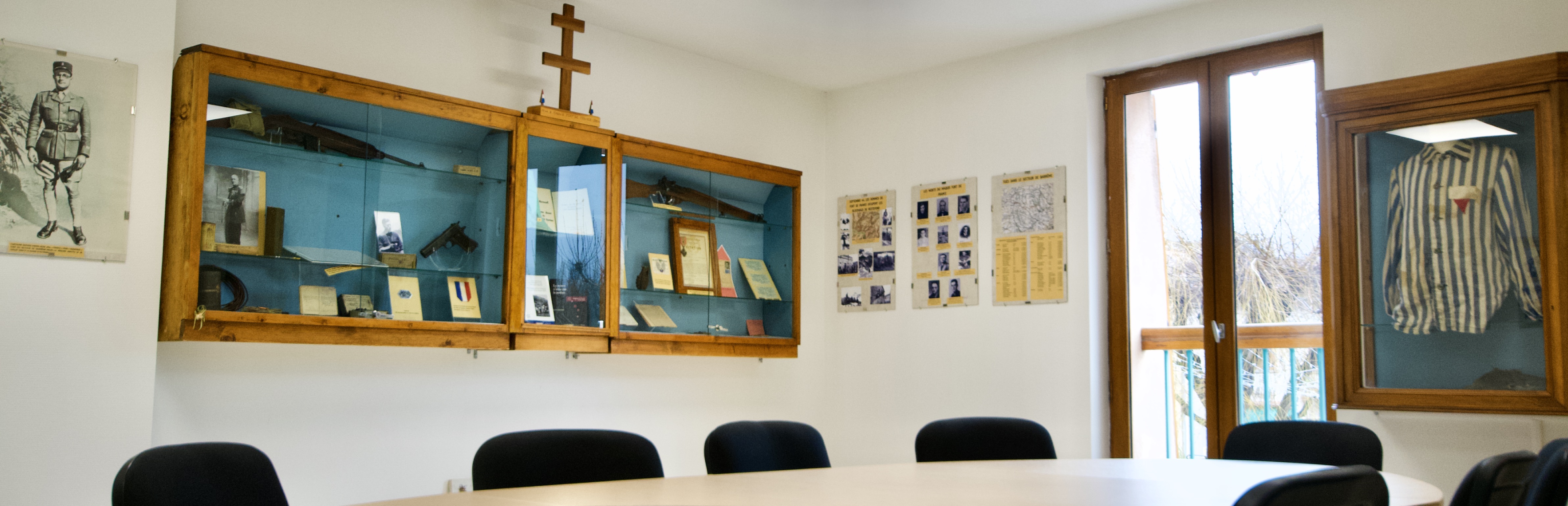
A place of transmission, this exhibition brings together Renée Pascal-Gibelin's archives: photos of Fort de France Maquis actors, notes taken during interrogations, war material and original sheets of Captain Pierre Rose's logbook.CULTURAL HERITAGESalle de mémoire du Maquis Fort de FranceBarrême-en
-
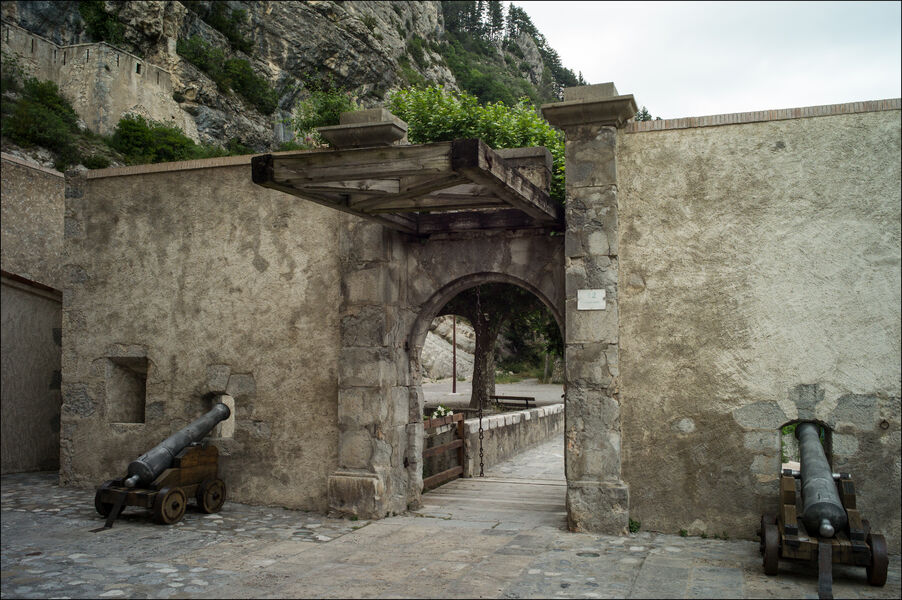
Entrevaux's surrounding wall is punctuated by three gates, a portette, and two strong bastioned towers suitable for artillery. The main gate is preceded by a bridge over the Var river and an outpost or redoubt.CULTURAL HERITAGELes fortifications d'EntrevauxEntrevaux-en
-
At the gateway to the Mercantour, Villars-Colmars is surrounded by mountains, notably the "Croix du Puy" and the "Gardette", which overlook the village. The village offers a wide range of outdoor activities: hiking, horse-riding, mountain biking, climbing, fishing...CULTURAL HERITAGEVillars-ColmarsVillars-Colmars-en
-
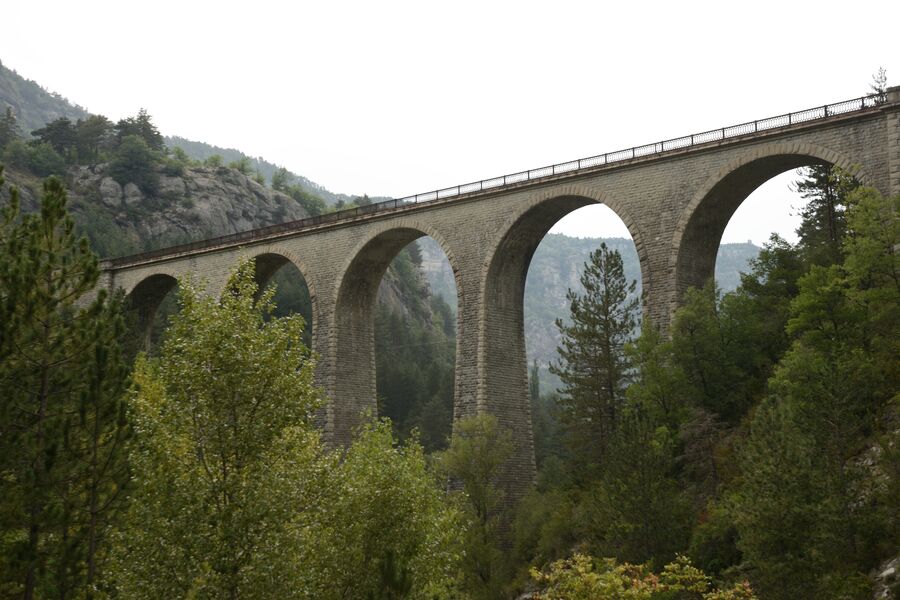
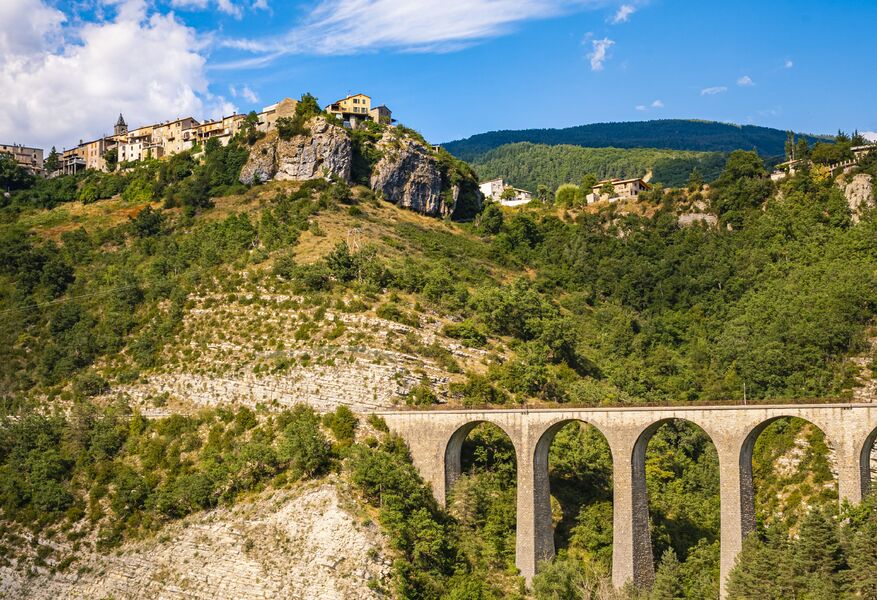
The 136 m-long Viaduc de la Donne, with its five arches, spans the Coulomp, which it towers over by 42 m, making it the highest structure on the Provence railway line.CULTURAL HERITAGEViaduc de la DonneSaint-Benoît-en
-
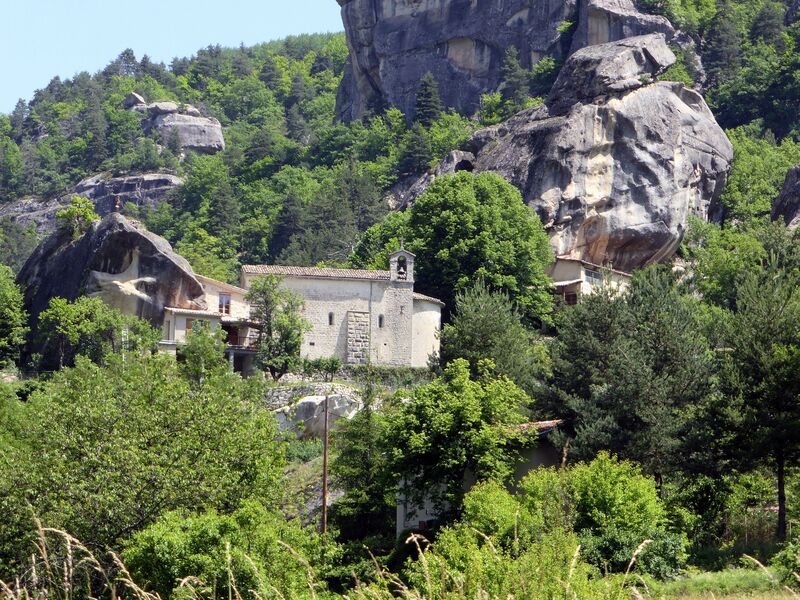
Nestled in the sandstone, the Notre Dame de Vers la Ville chapel dominates the village. It can be reached on foot via a paved path lined with oratories. Even today, it is a place of pilgrimage for the patron saint of Saint Fortunat, at Pentecost.CULTURAL HERITAGEChapelle Notre Dame de Vers la VilleAnnot-en
-
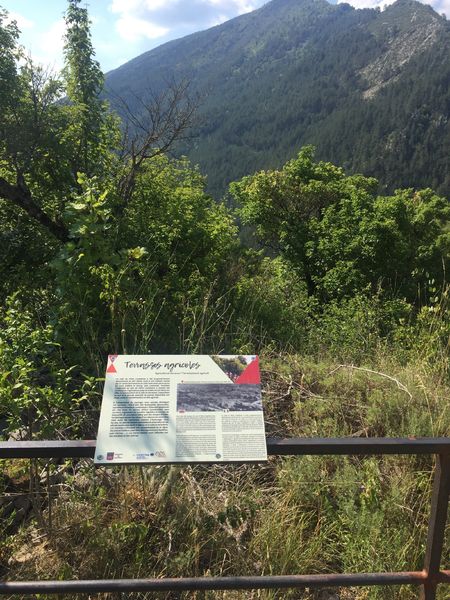
From the 13th century, the city of Petra Castellana was gradually deserted following an attack by the Count of Provence in 1262, but also because people would rather live in the village bellow which was more convenientCULTURAL HERITAGEAgricultural terracesCastellane-en
-
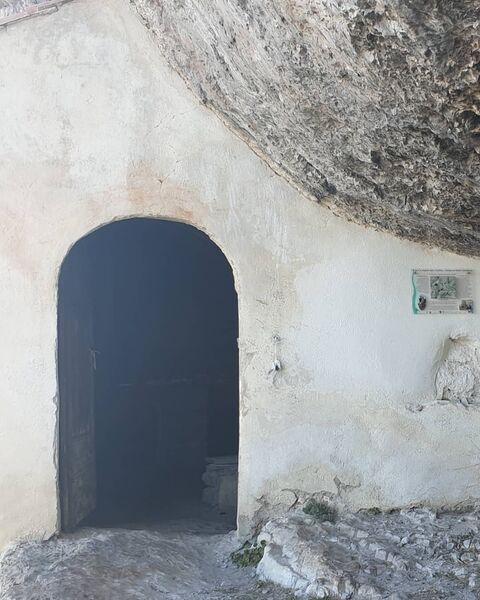
A small white dot clinging to the Robion mountain, the Saint-Trophime chapel is troglodyte. Accessible only on foot via a steep footpath, the Saint-Trophime chapel offers a splendid view. It dates back to the 18th century.CULTURAL HERITAGEChapelle Saint-TrophimeCastellane-en
-
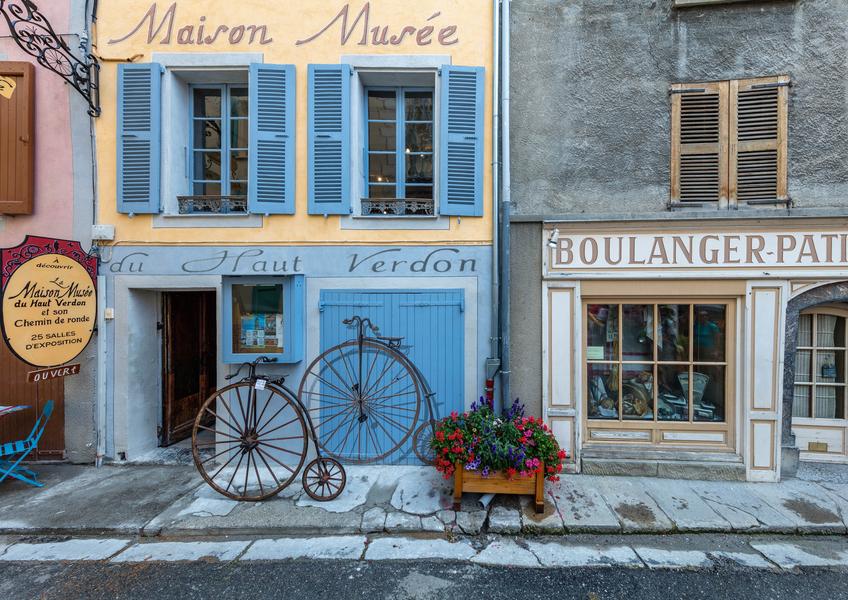
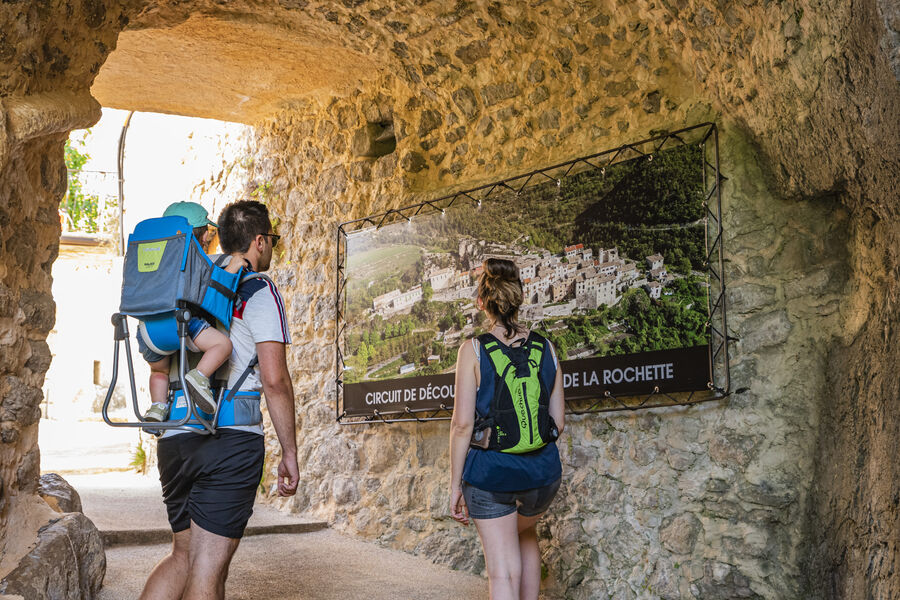
Early 20th-century bourgeois house, opening onto the chemin de ronde and its converted towers. 25 recreation areas: trades, daily life in the mountains, apothecary's garden, small cinema. Allow 1h to 1h30 for the visit.CULTURAL HERITAGEMaison Musée et Chemin de RondeColmars-en
-
It was a large agricultural estate, organized around an isolated church dedicated to Saint Pierre, that gave rise to the present-day commune. Today, it is the extreme southeastern tip of the Alpes de Haute Provence.CULTURAL HERITAGESaint-PierreSaint-Pierre-en
-
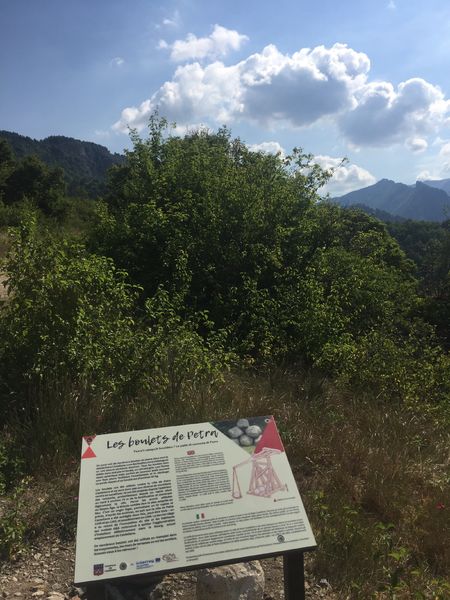
Many catapult boulders can be found in Petra Castellana. During the excavations, archaeologists found several dozens of them.CULTURAL HERITAGEPetra’s catapult bouldersCastellane-en
-
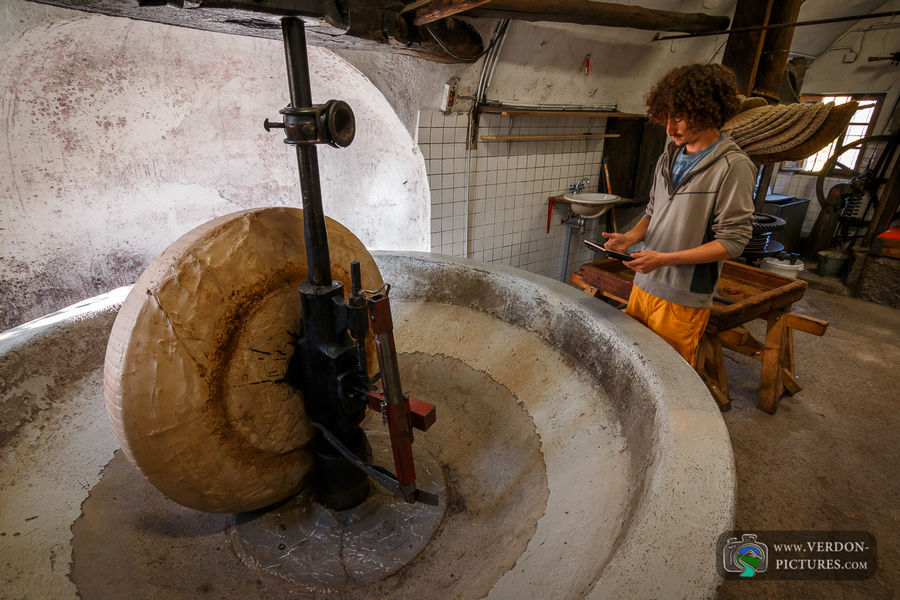
Discover the oil and flour mills.CULTURAL HERITAGELes moulinsEntrevaux-en
-
Situated on a rocky spur above the Var, Entrevaux has retained its medieval character. The village has an extremely rich cultural heritage, as evidenced by its fortifications, its mills and the imposing citadel that overlooks it.CULTURAL HERITAGEEntrevauxEntrevaux-en
-
Built between 1610 and 1627, the cathedral's crenellated bell tower and powerful buttresses reinforce its defensive appearance. Its Gothic architecture is complemented by an astonishing Baroque interior.CULTURAL HERITAGECathédrale Notre-Dame de l'AssomptionEntrevaux-en
-
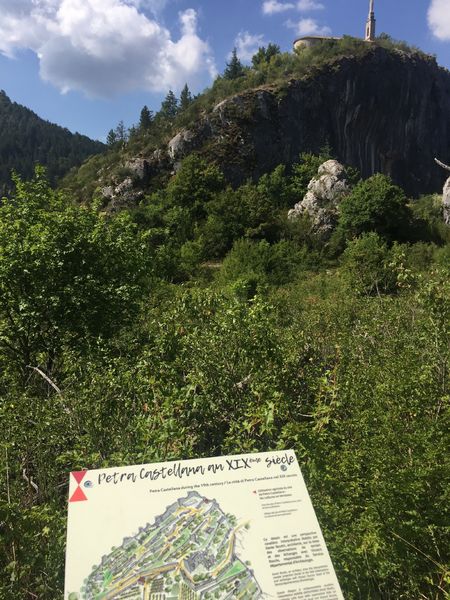
Xavier Boutin, an architect, drew this interpretative cavalier projection thanks to the field observations and exchanges with Vincent Buccio, head of the Service départemental d'Archéologie.CULTURAL HERITAGEPetra Castellana during the 19th centuryCastellane-en
-
The ancient Romanesque cathedral bears witness to the rich past of Senez, established as a bishopric as early as the 5th century.CULTURAL HERITAGECathédrale Notre Dame de l'AssomptionSenez-en
-
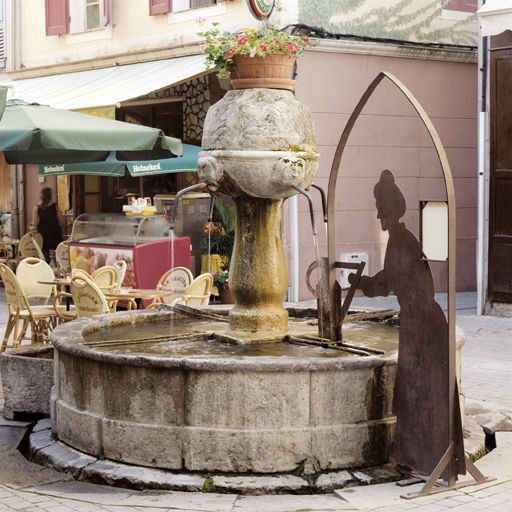
There's no "lion" on the Fontaine aux Lions! The name comes from the family who ran an inn on the square, and the final "s" in "Lions" is pronounced.CULTURAL HERITAGELa Fontaine aux LionsCastellane-en
-
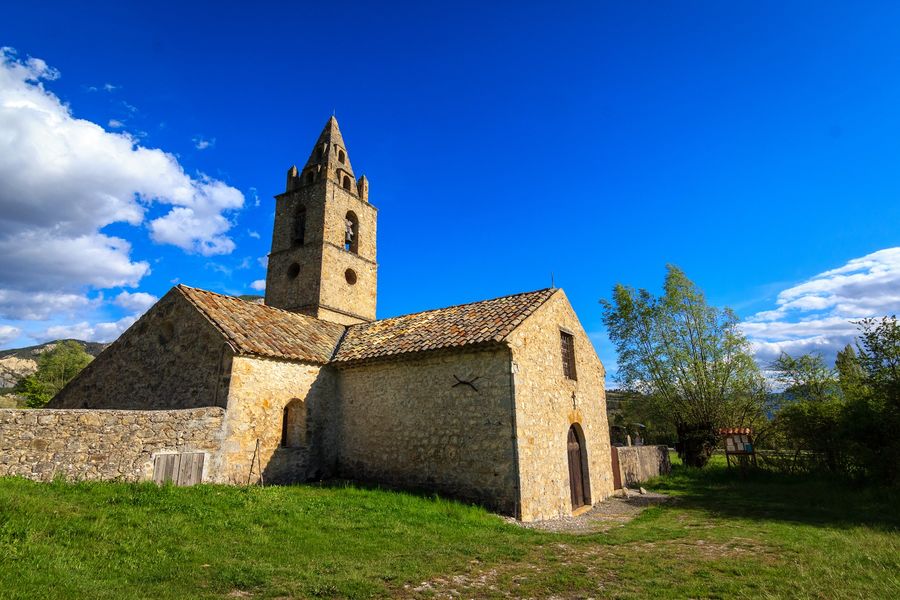
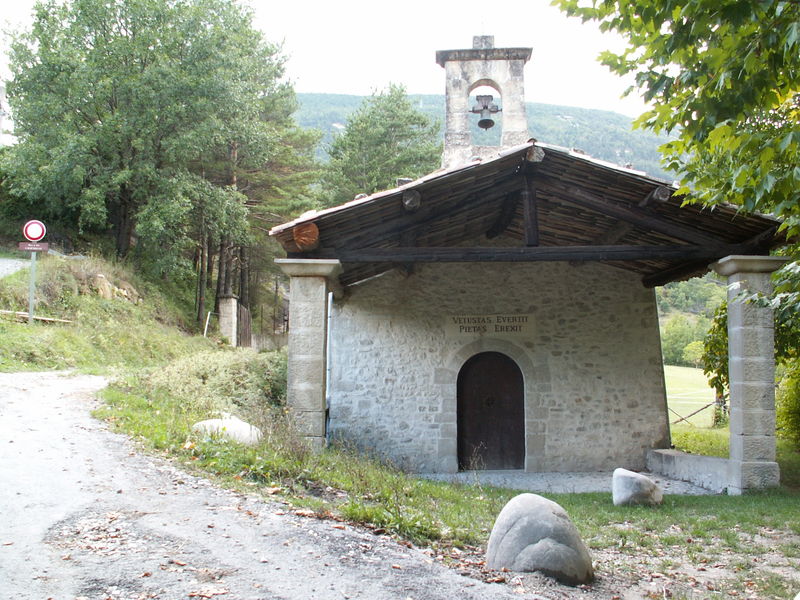
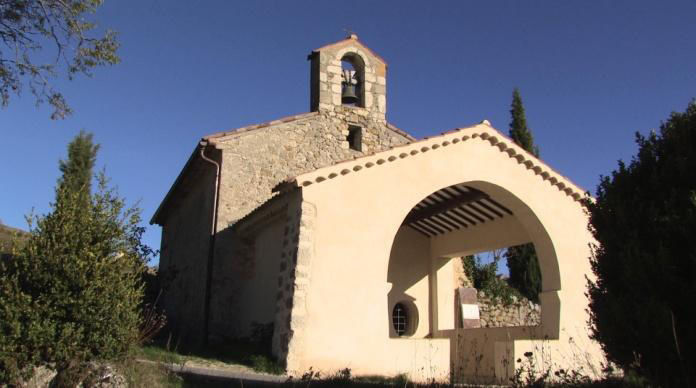
The Vérimande chapel was most likely built on the site of a Templar chapel. Today the chapel is sheltered by a canopy roof and remains a place of pilgrimage during the annual Saint Fortunat festival.CULTURAL HERITAGEVérimande chapelAnnot-en
-
The Saint-Thomas chapel is an isolated chapel adjoining a fairly large cemetery. It houses a listed 12th-century fresco.CULTURAL HERITAGEChapelle Saint ThomasThorame-Basse-en
-
Clinging to a rocky spur, the village is enclosed within its ancient wall. From the 14th to the 19th century, it played a strategic role in the Chanan valley, on the border with the County of Nice.CULTURAL HERITAGELa RochetteLa Rochette-en
-
A unique flour mill museum ! From 1902, the flour mill of La Mure-Argens, built in a former drapery, produce flour for 70 years.CULTURAL HERITAGEFlour mill museumLa Mure-Argens-en
-
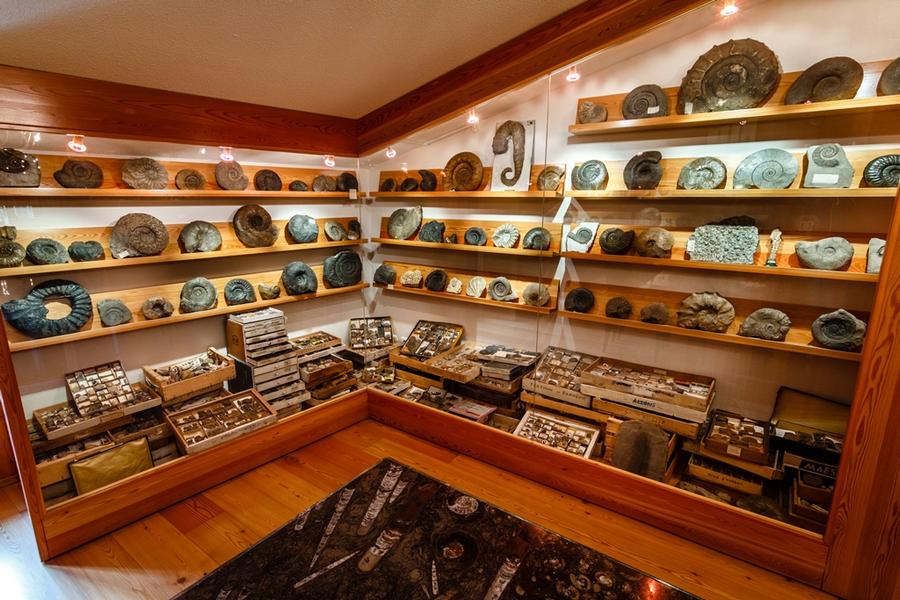
Barrême is known the world over by geologists who regularly use the term "Barremien". The Louis Maurel Collection has been bequeathed to the Commune. The exhibition can be viewed during Town Hall opening hours.CULTURAL HERITAGEExposition de fossilesBarrême-en
-
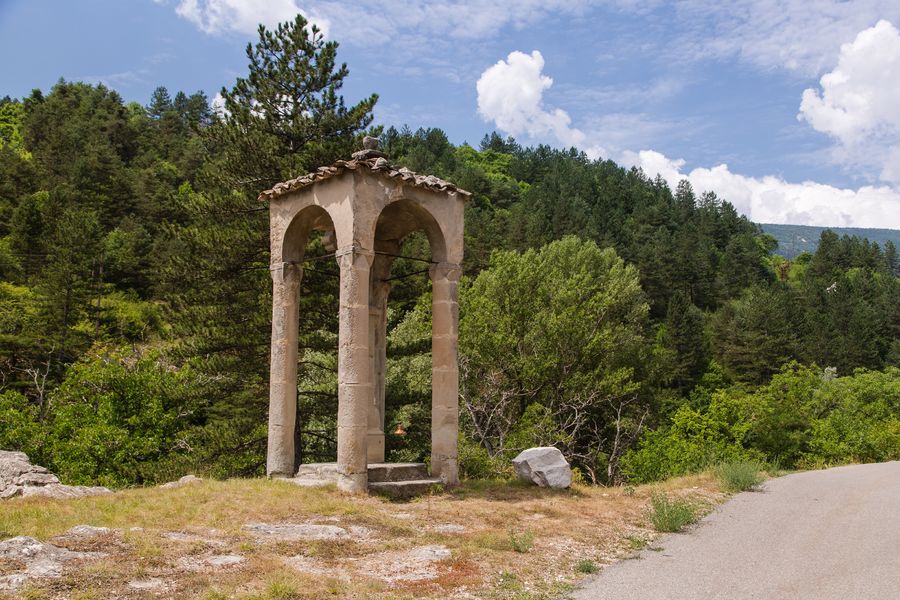
This ancient sandstone cross, located south of Annot, is sheltered by a canopy built upon four limestone columns.CULTURAL HERITAGEThe Roman crossAnnot-en
-
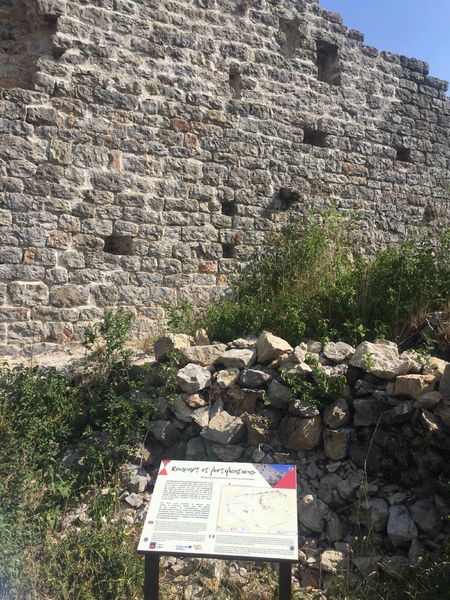
We can still observe the fortifications of Petra Castellana, in particular on the north side, in front of you. We think that the wall used to surround the whole site but there are no obvious remains on the south sideCULTURAL HERITAGERamparts and fortificationsCastellane-en
-
The Pont du Roc is located at the entrance to Castellane, on the way to Grasse. For many years, it was the only bridge over the Verdon, making Castellane a strategic location. Today, it offers a beautiful view of the Verdon valley.CULTURAL HERITAGEPont du RocCastellane-en
-
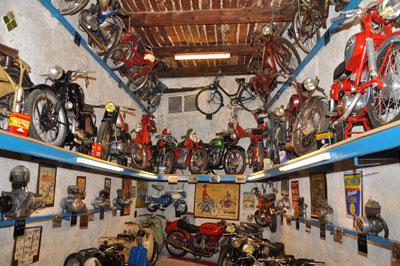
Some 100 specimens of two-wheeled machines, in perfect working order, are presented simply on their crutches or hung on the museum's picture rails like paintings by old masters. A must-see for lovers of fine bikes.CULTURAL HERITAGEMUSEE DE LA MOTOEntrevaux-en
-
This small mill, whose existence is already attested in the early 19th century, is still in operation today. The current wheel was installed in the latter years of the 20th century.CULTURAL HERITAGEMoulin à huile communalEntrevaux-en
-
Topped by a castle, the village is built in a fan-shape on a steep slope. The winding lanes allow you to discover nooks and crannies and admire the pink-orange facades of most of the houses.CULTURAL HERITAGESaussesSausses-en
-
Overlooking the road from the top of the aqueduct, the cast-iron cross, erected at the end of the 19th century, commemorates a Mission, a high point of evangelization. The aim of the Missions was to spread religion and rekindle the faith of the local people.CULTURAL HERITAGELa croix du pont de ClastreCastellane-en
-
The Fort de Savoie is a magnificent 17th-century military structure. In the rooms once used by the garrison soldiers, you’ll discover the permanent exhibition “Histoire(s) d’un fort” as well as the immersive presentation “Le récit de Vauban.”CULTURAL HERITAGEFort de SavoieColmars-en
-
The Sacré-Coeur church is Castellane's parish church. Located on the main square, it was built in the late 19th century. A weather vane can be seen at the top of the bell tower.CULTURAL HERITAGEEglise du Sacré-CoeurCastellane-en
-
This fountain-washhouse is known as the Bonne Fount or good fountain, probably because its spring never dried up in summer, unlike the one that fed Robion's washhouse. Originally, the drinking trough was simply dug out of a log.CULTURAL HERITAGELe lavoir de Petit RobionCastellane-en
-
Perched at an altitude of 1,200 metres above the village of Peyroules, this former church, abandoned during the 20th century, has undergone major restoration work.CULTURAL HERITAGEEglise saint PonsPeyroules-en
-
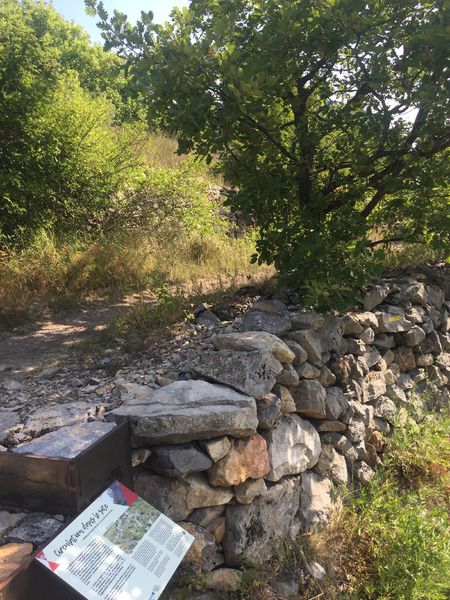
Several gates in the surrounding walls of Petra Castellana led into the city. A record from the 18th century mentions three gates : to the south, the east and the west. Only the west gate partially remains, which you probably walked through to enter the siteCULTURAL HERITAGEWalking through the siteCastellane-en
-
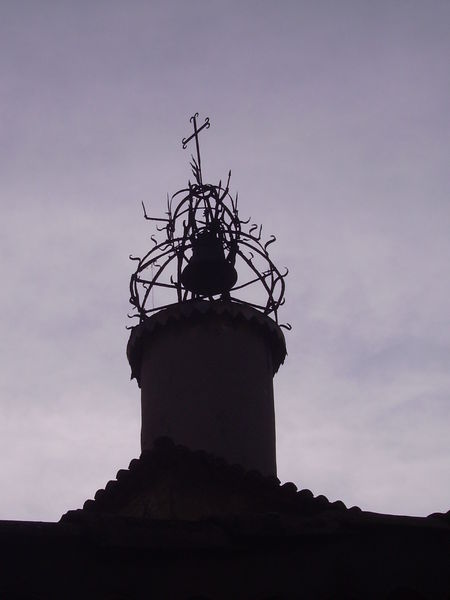
The Tour de l'Horloge is part of the ramparts that have protected the town of Castellane since the Middle Ages. The gateway to the town, it overlooks the main road. A campanile stands at the top.CULTURAL HERITAGETour de l'HorlogeCastellane-en
-
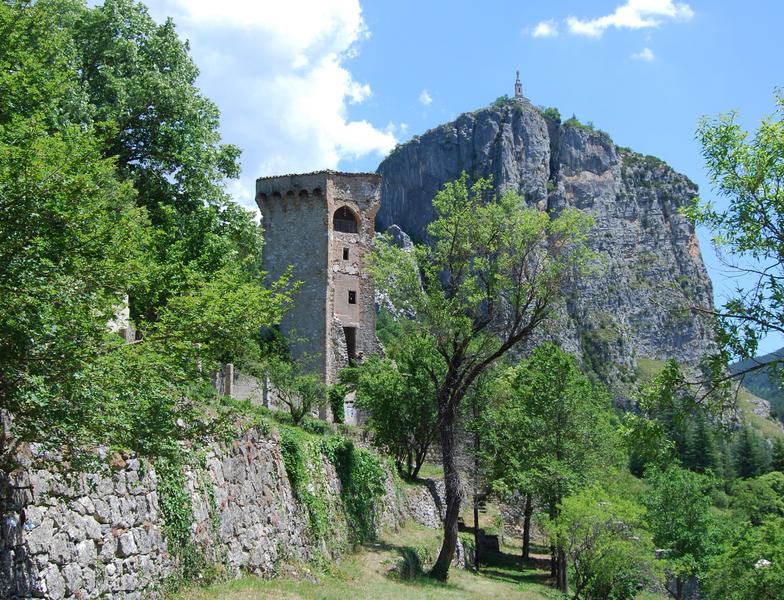
The Pentagonal Tower dates back to 1359. It forms part of the ramparts that have protected the town of Castellane since the Middle Ages. At the foot of the Tower, the Jardins de la Tour site offers a magnificent view of the village, the Roc and the Verdon valley.CULTURAL HERITAGETour PentagonaleCastellane-en
-
This chapel, rebuilt in the late 16th and early 17th centuries on the site of the original medieval parish church, was restored in 2010.CULTURAL HERITAGEChapelle Saint ChristopheRougon-en
-
An extraordinary site surrounded by olive groves, built on a narrow rocky outcrop and encircled by a loop of the Var river. Imagine what life was like in this fortress...CULTURAL HERITAGECitadelle and Poudrière museumEntrevaux-en
-
The Val d'Allos has a long history marked by the border with the County of Savoy and an intense religious and agricultural life.CULTURAL HERITAGECultural heritageAllos-en
-
Notre Dame d'Entraigues church takes its name from the Latin inter aquas (between the waters), due to its position between the Asse and Salaou torrents.CULTURAL HERITAGEEglise Notre-Dame-d'EntraiguesTartonne-en
-
Surrounded by mountains, nestling at the bottom of the valley where the Estéron river rises, the village of Soleilhas, as its name suggests, "looks towards the sun".CULTURAL HERITAGESoleilhasSoleilhas-en
-
Perched on a rocky spur, Peyresq is a place with an exemplary destiny. Its lord was Fabri de Peiresc, a great humanist of the 17th century, and today it welcomes scientists from all over the world for high-level meetings.CULTURAL HERITAGEHameau de PeyresqThorame-Haute-en
-
Perched on the edge of a limestone plateau, the village of Méailles overlooks the Vaïre valley from a magnificent vantage point. Traces of human occupation dating back to the Neolithic period have been found in the village's caves.CULTURAL HERITAGEMéaillesMéailles-en
-
Situated at the confluence of the Asses de Clumanc, Moriez and Blieux, Saint-Jacques is known for its Barremian nummulites, fossils whose presence is promoted by the Réserve géologique de Haute Provence through a special site.CULTURAL HERITAGESaint-JacquesSaint-Jacques-en
-
This commune is made up of two villages: La Mure, at the confluence of the Issole and Verdon rivers, once famous for its cloth factories, and Argens, perched at an altitude of 1,400 m, where lavender and other aromatic plants are grown.CULTURAL HERITAGELa Mure-ArgensLa Mure-Argens-en
-
The St André church was built at the end of the 12th or the beginning of the 13th century. It was the parish church of Petra Castellana until 1260.CULTURAL HERITAGEThe St André du Roc churchCastellane-en
-
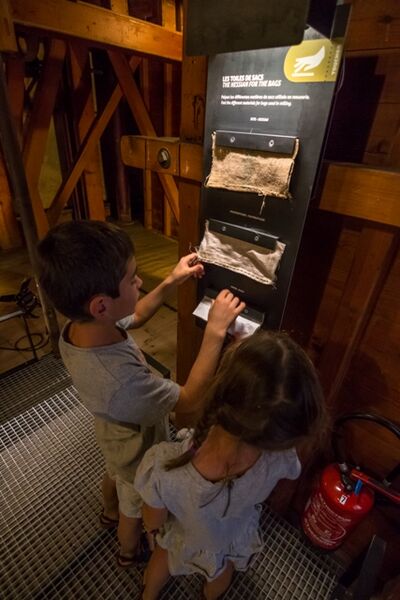
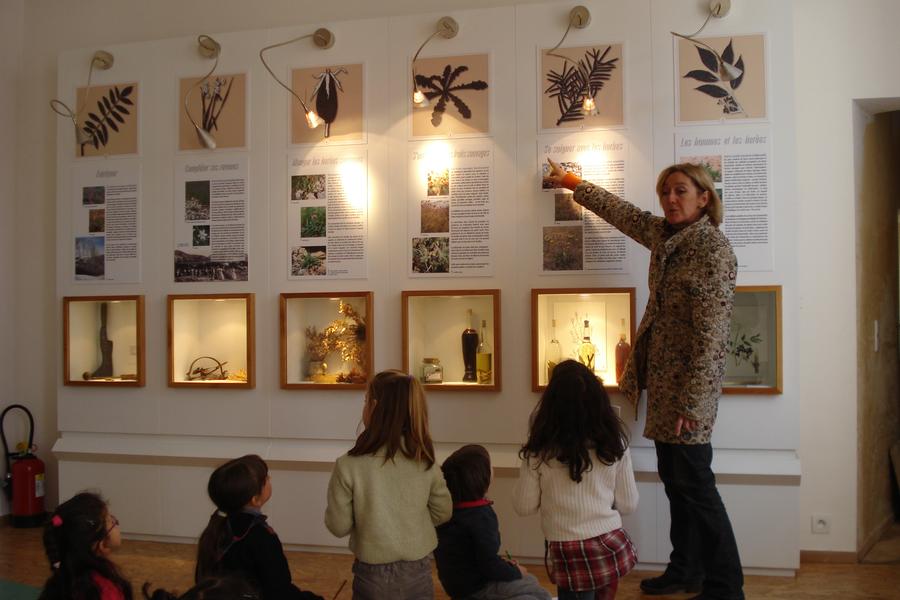
The Ecomuseum's mission is to inform and educate visitors about the unique natural features of the Gorges du Verdon region, in order to better understand and preserve it.CULTURAL HERITAGEEcomusée de la Maison des Gorges du VerdonLa Palud-sur-Verdon-en
-
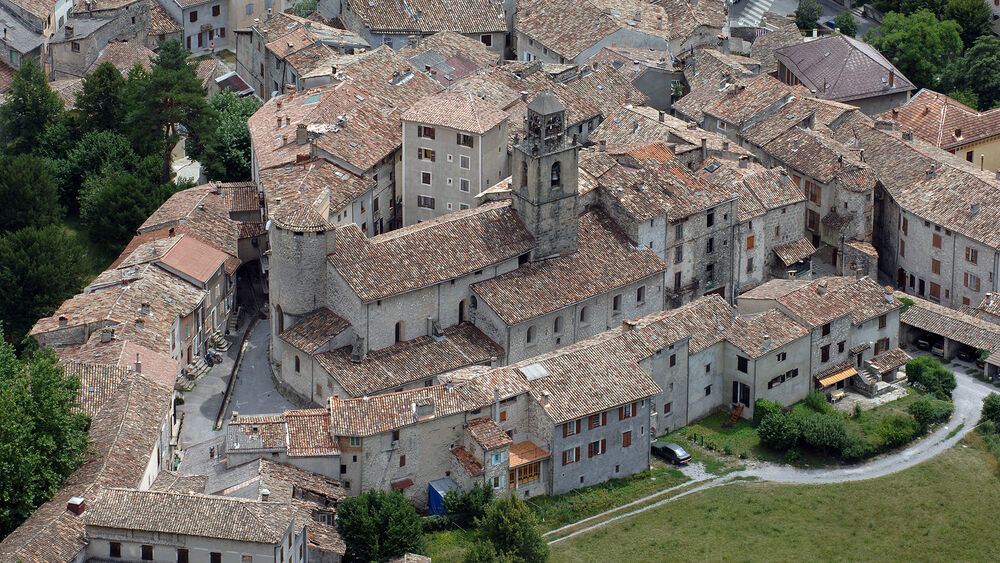
Nestled at the foot of the Annot sandstone and its centuries-old chestnut trees, the village has preserved a particularly rich medieval heart. A starting point for outdoor activities, it is a place to relax and discover nature.CULTURAL HERITAGEAnnotAnnot-en
-
Peyroules, more than a village, is in fact a group of four hamlets spread across a plateau between valley and rocky outcrops: La Rivière, the main hamlet occupying the center of the commune, La Bâtie to the west, La Foux to the east and Mousteiret to the south.CULTURAL HERITAGEPeyroulesPeyroules-en
-
A village reached by skirting the Vauclause rocks, a natural barrier at the entrance to the Ivoire valley, Allons is surrounded by the remains of four square towers.CULTURAL HERITAGEAllonsAllons-en
-
The first building, corresponding to the eastern part of today's château, was erected in the late 14th century. Remodeled several times, it now houses the town hall and the Maison des Gorges museum, among others.CULTURAL HERITAGEChâteau de La Palud-sur-VerdonLa Palud-sur-Verdon-en
-
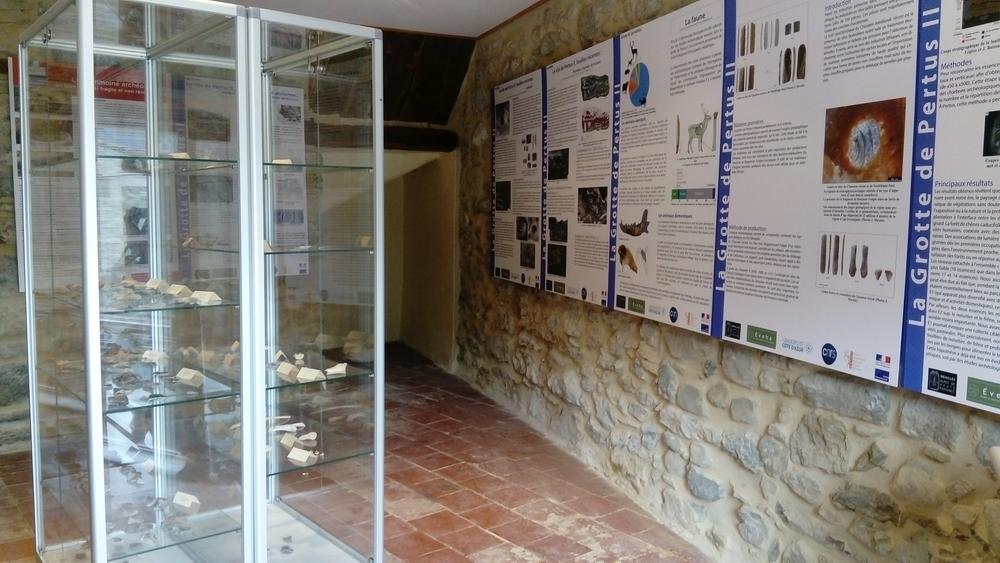
Almost 6,500 years ago, a community of farmers settled in Méailles, near the Pertus II cave. The exhibition presents the results of excavations carried out in this cave.CULTURAL HERITAGEMéailles dans la préhistoireMéailles-en
-
Located in the heart of the Gorges du Verdon, La Palud-sur-Verdon is a strategic point for discovering the canyon. As the starting point for the Route des Crêtes, hiking trails, mountain biking and climbing sites, it's an ideal destination for a sporting break.CULTURAL HERITAGELa Palud-sur-VerdonLa Palud-sur-Verdon-en
-
At the foot of the Bernarde massif, a narrow, winding road leads to Ubraye. This small village still stands on its medieval site, dominated by a hill where a castle once stood.CULTURAL HERITAGEUbrayeUbraye-en
-
Saint-Pierre de la Val de Chauvet church is mentioned as early as 1096 in a charter from Montmajour abbey, to which the bishop of Riez donated it.CULTURAL HERITAGEEglise Saint PierreLa Palud-sur-Verdon-en
-
The Colmars les Alpes town wall has protected the village since the late 14th century. It was improved several times during the 16th and 17th centuries. Two gates, the Porte de France and the Porte de Savoie, lead into the town.CULTURAL HERITAGEEnceinte fortifiéeColmars-en
-
Built atop a rocky promontory, the château is at the center of an architectural ensemble: to the south, a building known as "le château neuf"; to the southwest, a cemetery; to the west, the parish church; and to the north, a pond and a farm.CULTURAL HERITAGEChâteau de Castellet-Saint-CassienVal-de-Chalvagne-en
-
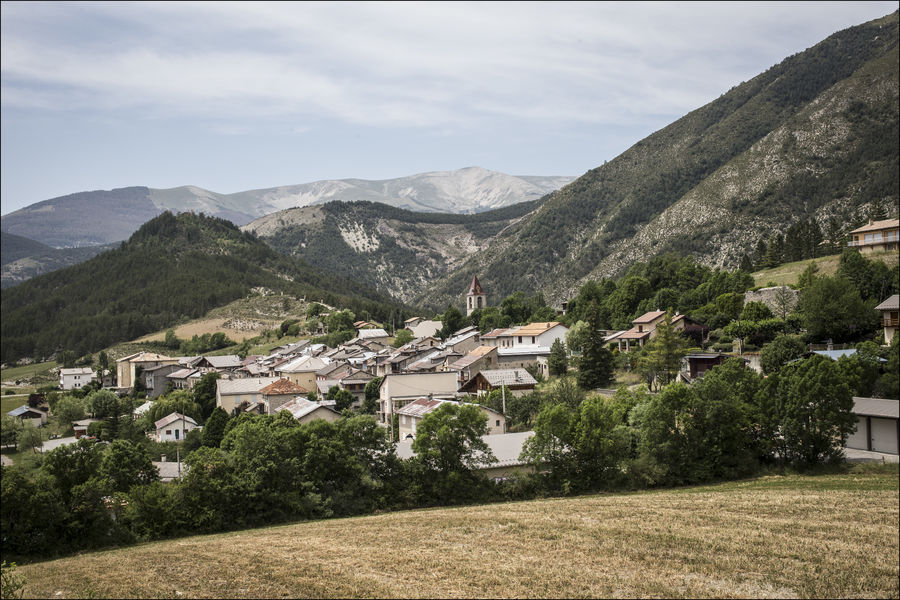
The commune of Barrême is world-renowned for its wealth of fossils, particularly ammonites, and is proud to have given its name to an era of the secondary era: the Barrêmien.CULTURAL HERITAGEBarrêmeBarrême-en
-
Located in the heart of the upper Verdon valley, Colmars-les-Alpes, with its two forts and ramparts, looks like an impregnable citadel. As the western gateway to the Mercantour National Park, it's also a dream destination for ecotourism.CULTURAL HERITAGEColmars-les-AlpesColmars-en
-
We have a better understanding of the organisation of Petra Castellana thanks to the excavations. We know that the towers and the beginning of the curtain walls* were first built, then linked together to form the rampartsCULTURAL HERITAGEBuilding the rampartsCastellane-en
-
Perched on a rocky outcrop, the village of Castellet-lès-Sausses, named after an ancient fortified castle and a salt spring, offers superb panoramic views over the Var valley.CULTURAL HERITAGECastellet-lès-SaussesCastellet-lès-Sausses-en
-
Situated on the shores of Lac de Castillon, Saint-André- les-Alpes offers a multitude of outdoor activities, including hang-gliding, for which it is a renowned site. In the village, the cloth mill trail is a testament to its industrial heritage.CULTURAL HERITAGESaint-André-les-AlpesSaint-André-les-Alpes-en
-
After skirting Lac de Castillon as far as Pont St Julien, you'll discover Angles set against the slope in a bend of the valley. The road leading to the village, well known to geologists, runs alongside a series of Barremian rocks.CULTURAL HERITAGEAnglesAngles-en
-
Saint-Joseph church belongs to the Alpes de Haute-Provence department. It was the church of the former Augustins convent. Today, it is the Collège du Verdon. The church and its cloister are not open to the public, except in exceptional circumstances.CULTURAL HERITAGESt Joseph's ChurchCastellane-en
-
Built atop a steep rocky outcrop, this church, surrounded by the cemetery and a grassy forecourt, dominates the village of Castellet-lès-Sausses.CULTURAL HERITAGEEglise paroissiale St Pierre et St PaulCastellet-lès-Sausses-en
-
Deprived of part of its agricultural land when the Castillon dam was built, the village of Saint Julien du Verdon now sits on a balcony above the lake, offering superb 360° panoramic views and hosting a water sports center.CULTURAL HERITAGESaint-Julien-du-VerdonSaint-Julien-du-Verdon-en
-
Set among centuries-old chestnut trees, dotted with restored stone barns, Braux offers superb views of the sandstone cliffs of the Coulomp valley.CULTURAL HERITAGEBrauxBraux-en
-
Clinging to the mountainside and dominated by the Teillon and Crémon rivers, Demandolx offers a sublime panorama of the Chaudanne and Castillon lakes. The creation of these artificial lakes drowned part of the commune's territory.CULTURAL HERITAGEDemandolxDemandolx-en
-
The commune of Val de Chalvagne is the result of the merger of three communes: Castellet-Saint-Cassien, Montblanc and Villevieille. These isolated hamlets are home to two 16th-century castles.CULTURAL HERITAGEVal-de-ChalvagneVal-de-Chalvagne-en
-
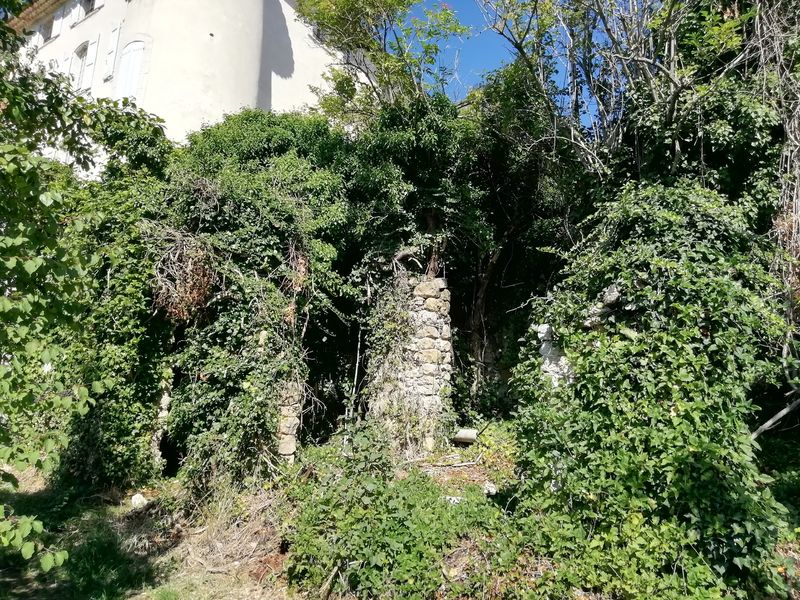
Of the former church, destroyed in 1390 by Raimond de Turenne and again in 1574 by the Baron of Germany, only two pillars and a dedication dedication from 1539.CULTURAL HERITAGEEglise paroissiale Saint-GeorgesThorame-Haute-en
-
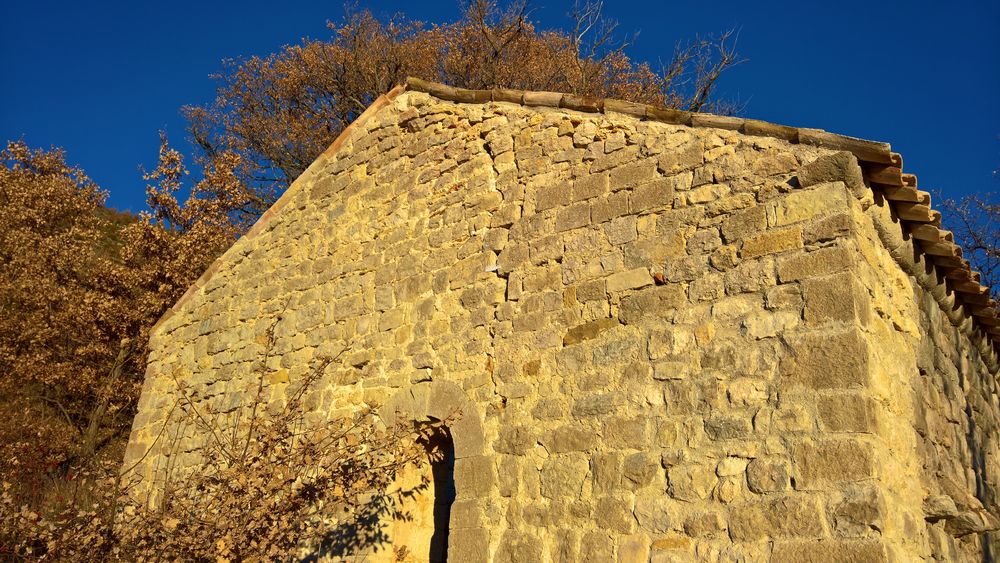
Located in the hamlet of Robion, the Saint-Thyrse chapel is an exceptional building, dating back to the 10th century.CULTURAL HERITAGEChapelle Saint-ThyrseCastellane-en
-
Formerly known as La Garde de Dieu, the village takes its name from its role as Castellane's advanced military stronghold. It lies at the foot of the Teillon rock, which was home to an oppidum from the early Middle Ages.CULTURAL HERITAGELa GardeLa Garde-en
-
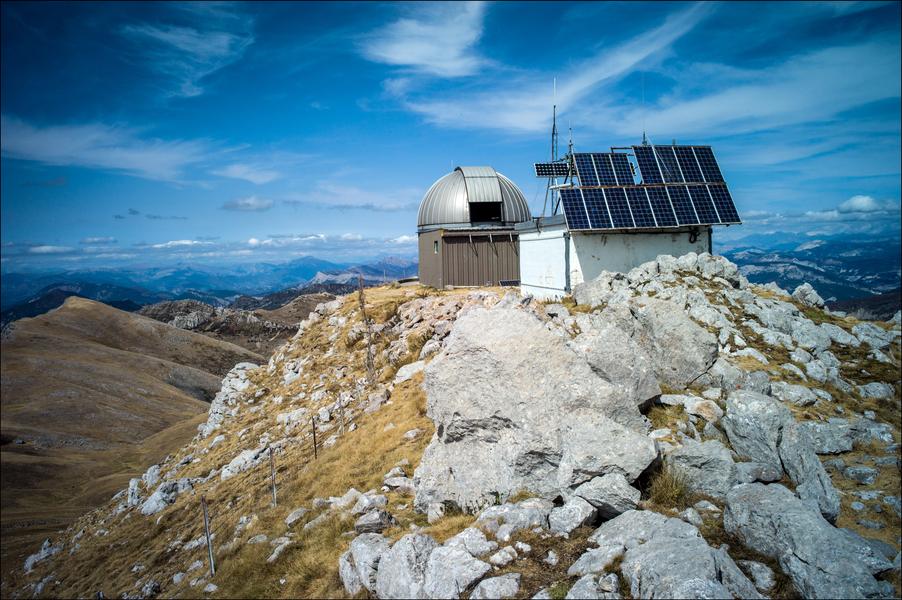
Located in the heart of the Parc Naturel Régional du Verdon at 1905m altitude, the Mont-Chiran observatory welcomes hikers and those curious about the sky, for an unforgettable evening under the stars!CULTURAL HERITAGEObservatoire du Mont ChiranBlieux-en
-
Overlooking the Coulomp river, Saint Benoît is perched on a rocky knoll ravaged by erosion, which emerges in the middle of meadows emphasizing its still agricultural character. It is built in a circle around the St Benoît church.CULTURAL HERITAGESaint BenoîtSaint-Benoît-en
-
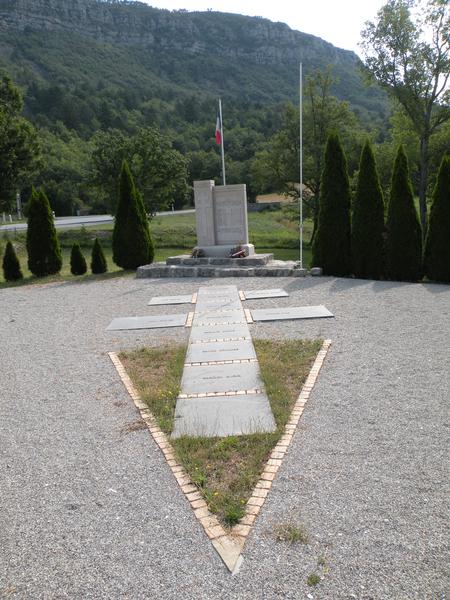
Erected alongside the N202, this monument honors the memory of the 11 Côte d'Azur Resistance fighters cruelly gunned down on June 11, 1944. The Digne Gestapo pretended to set them free, but shot them in the back as they scattered across the fields.CULTURAL HERITAGEMémorial de Saint-Julien-du-VerdonSaint-Julien-du-Verdon-en
-
The Tartonne salt spring was granted to the inhabitants by Queen Jeanne in 1402. The layout visible today probably dates from the modern era.CULTURAL HERITAGESource SaléeTartonne-en
-
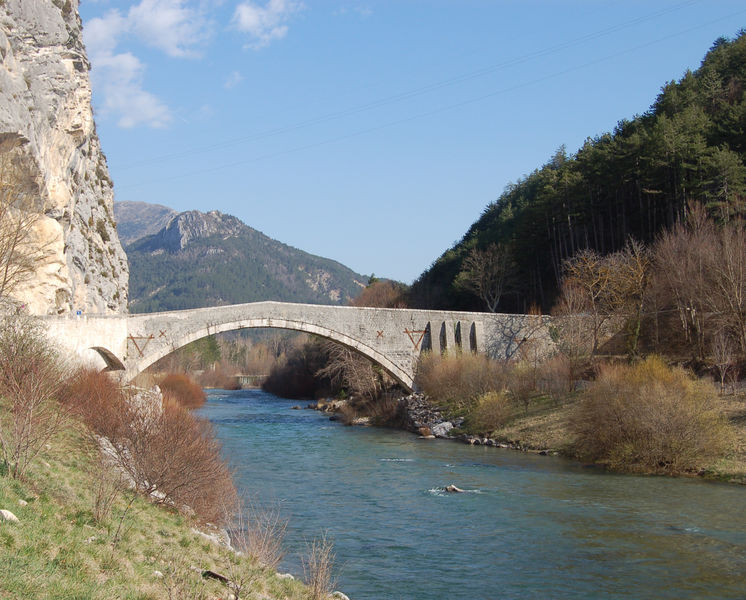
This single-arch sandstone bridge was built in the last years of the 19th century, as part of the development of the present-day departmental road.CULTURAL HERITAGEPont sur la VaïreLe Fugeret-en
-
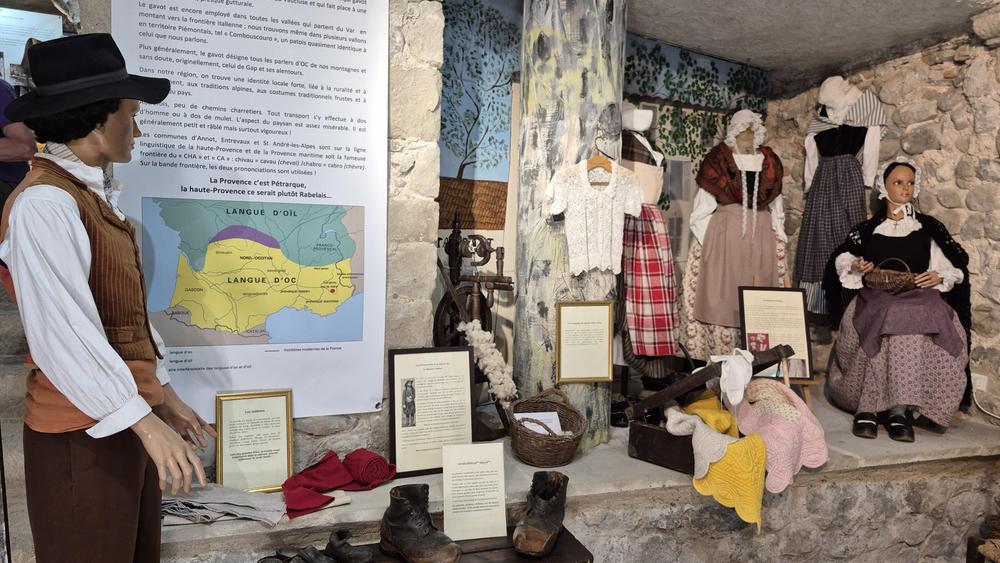
In the Var valley and between the Estéron, Ubaye, Haut-Verdon and Tinée valleys, the Ecomusée studies and presents the daily life and economic and social activities of a territory.CULTURAL HERITAGERoudoule, écomusée en terre gavotteOn demandPuget-Rostang-en
-
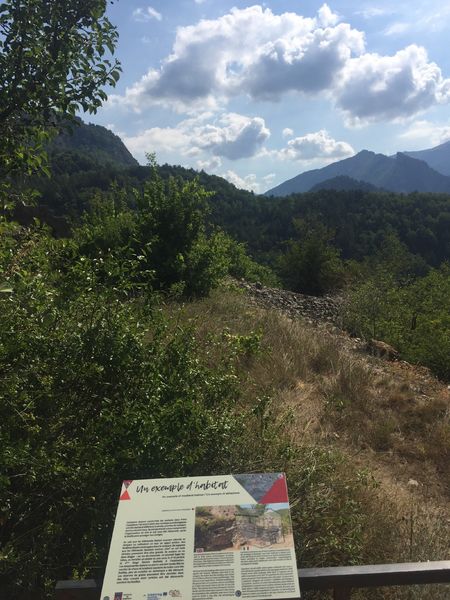
How were the houses in Petra Castellana built ? From 2016 to 2019, several archaeological soundings were conducted near the rampart. One took place in front of youCULTURAL HERITAGEAn example of medieval habitatCastellane-en
-
Situated on the banks of the Vaïre river, Le Fugeret spreads out like a fan, but the commune extends well beyond the central village, into the Annot sandstone massif, and is made up of numerous hamlets, including Bontès, Argenton and Chabrières.CULTURAL HERITAGELe FugeretLe Fugeret-en
-
The remains of a village abandoned a century ago, Châteauneuf-lès-Moustiers overlooks the Baou valley. The hamlet can be reached in 30 minutes on foot from Le Plan (D123 north of the village of La-Palud-sur-Verdon) via an ancient Roman road.CULTURAL HERITAGEChâteauneuf-lès-MoustiersLa Palud-sur-Verdon-en
-
This donkey bridge spans the Verdon at a height of 41 m. Built in the 2nd half of the 17th century, it provided access to the hamlet of Ondres and facilitated the passage of herds going up to the summer pastures.CULTURAL HERITAGELe Pont du Moulin ou Ancien Pont d'OndresThorame-Haute-en
-
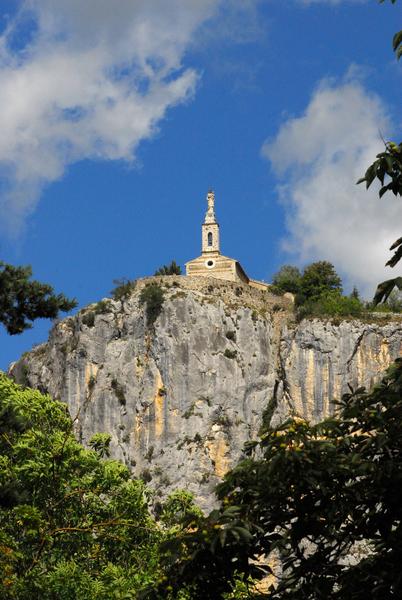
Notre-Dame du Roc chapel has dominated Castellane and the Verdon valley since the 12th century. It can be reached from the town center via the Roc path (30-minute walk). Two orientation tables are located near the chapel.CULTURAL HERITAGEChapelle Notre-Dame du RocCastellane-en
-
The Saint-Pons chapel is located in the hamlet of Eoulx, on the outskirts of the village. Only the apse and nave walls remain. From the chapel, the view opens out over the mountains and the Var department. Difficult access on foot only.CULTURAL HERITAGEChapelle Saint-PonsCastellane-en
-
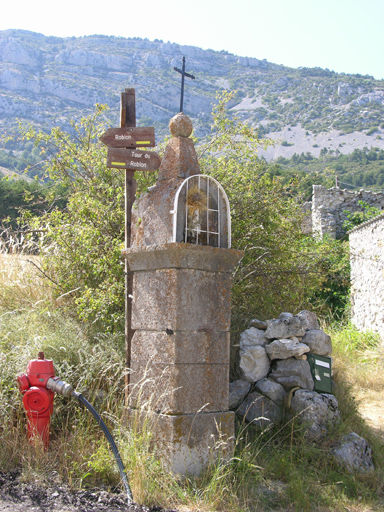
In the early 1860s, a church was built in the neighboring hamlet of Robion. So as not to leave Petit Robion without religious protection, this oratory was built at the same time.CULTURAL HERITAGEL'oratoire de Petit RobionCastellane-en
-
An ancient place of pilgrimage linked to the presence of a reputedly miraculous spring, the chapel of Saint Jean du Désert is an isolated mountain chapel. The procession has been organized by the Confrérie des Saint Jeanistes since at least the 16th century.CULTURAL HERITAGEChapelle Saint-Jean-du-DésertEntrevaux-en
-
A belvedere overlooking the Asse valley at an altitude of 815 m, Saint-Lions has no coat of arms, as it only gained independence from the community of Barrême during the Directoire period. Today, it is a small village with a pastoral and agricultural vocation.CULTURAL HERITAGESaint-LionsSaint-Lions-en
-
Between the Issole and Verdon valleys lies the pastoral village of Thorame-Haute. The agricultural landscape with its herds and the Lac des Sagnes are ideal for family picnics and fishing. A rich cultural heritage (bridge, church, wash-house).CULTURAL HERITAGEThorame-HauteThorame-Haute-en
-
Dating from the 17th century, this pretty bridge over the Verdon is well worth the detour... It's an ideal walk for a special moment in the heart of the Verdon: a calm, unspoilt place, far less crowded than the Gorges.CULTURAL HERITAGEPont de TussetRougon-en
-
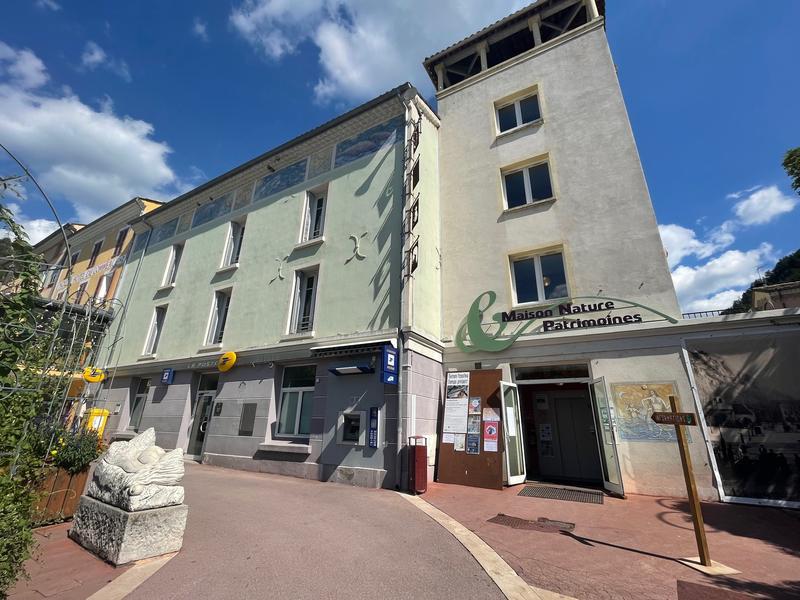
A point of departure, welcome and discovery, it opens its doors to the natural and cultural riches of the Verdon territory thanks to exhibitions, 1000 tips from the Parc du Verdon, a shop and activities throughout the year.CULTURAL HERITAGEMaison Nature & PatrimoinesCastellane-en
-
At one time dedicated to Saint Pons, this church was first mentioned in 1042 in a donation charter made by the local lord of the area at the Saint-Victor abbey in Marseille.CULTURAL HERITAGESaint Jean Baptiste churchAnnot-en
-
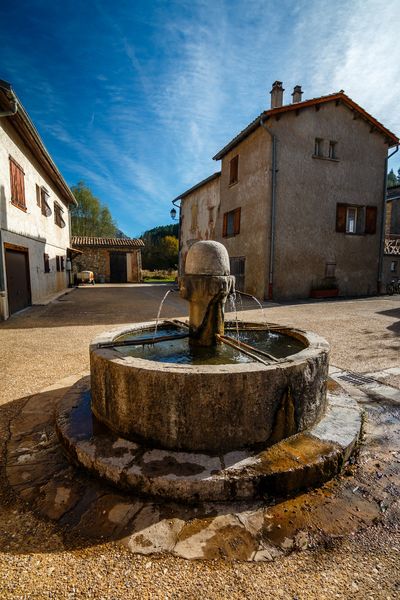
This 17th-century fountain features four sculpted male heads at the four cardinal points. Each is differentiated, as if to symbolize the geographical orientation it designates.CULTURAL HERITAGEFontaineSenez-en
-
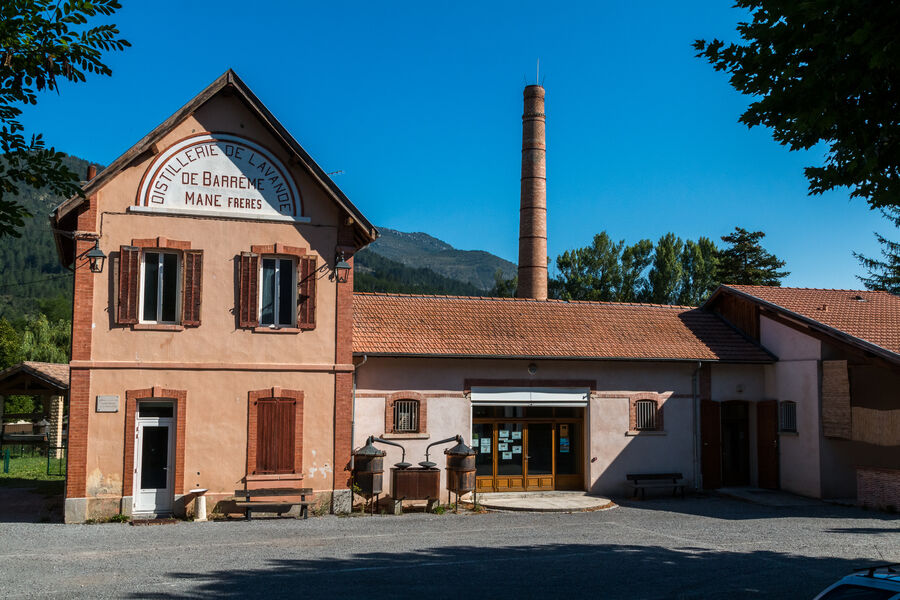
If you're passing through Barrême, have you ever noticed the large brick chimney soaring into the sky? It's a perfume plant distillery. The distillery was built in 1905 by an internationally-established German company.CULTURAL HERITAGEMusée de la DistillerieBarrême-en
-
Located at an altitude of over 1,000m, Thorame-Basse offers a wealth of opportunities for outdoor activities (hiking, mountain biking, fishing...). The village's wetlands are also of great interest for the preservation of biodiversity.CULTURAL HERITAGEThorame-BasseThorame-Basse-en
-
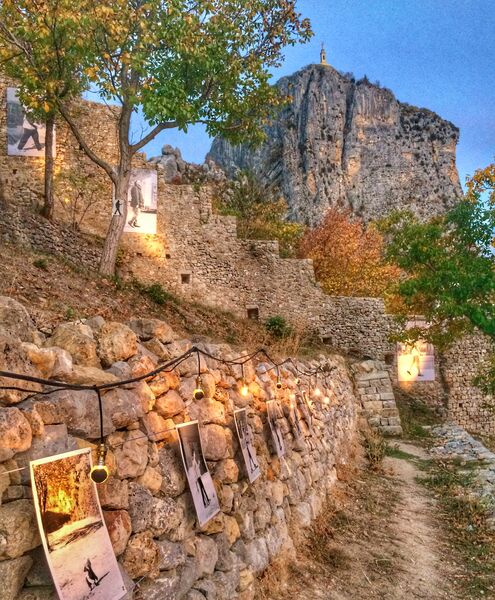
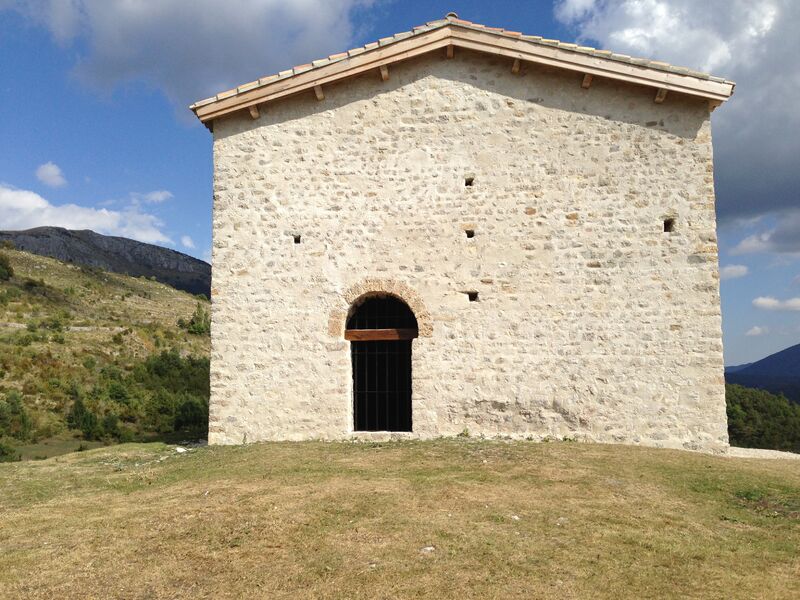
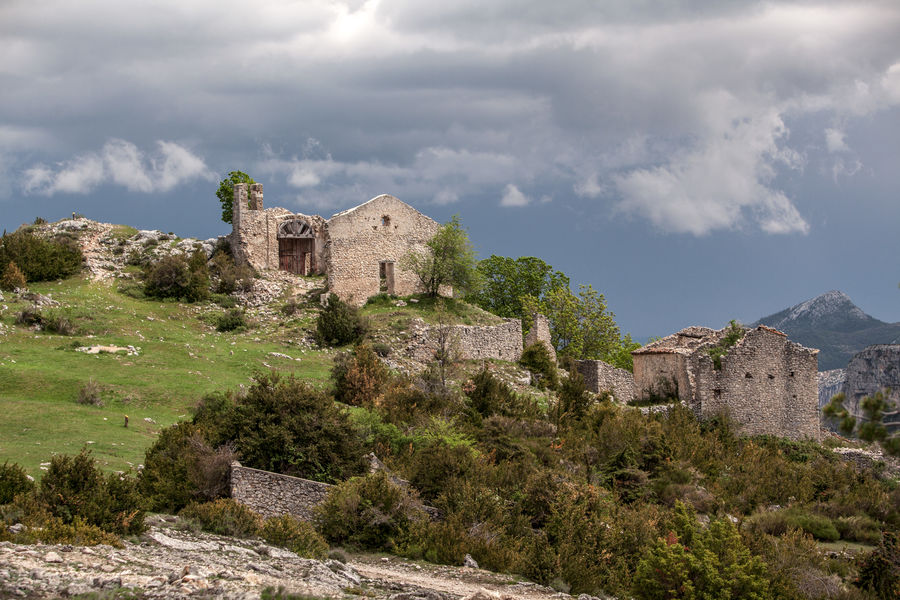
The Petra Castellana archaeological site is perched behind the Roc. It's the ancient medieval town of Castellane, now made up of remnants of ramparts, chapel and walls.CULTURAL HERITAGESite archéologique de Petra CastellanaCastellane-en